Breast Health Awareness: Early Detection and Preventive Strategies
Breast health is a vital aspect of overall well-being, yet it remains a topic shrouded in silence and sometimes, misunderstanding. In a world where health information is at our fingertips, the crucial conversation about breast health and the essential practices for maintaining it often get lost in the shuffle.
This blog aims to shed light on the importance of early detection and preventive strategies, ensuring that knowledge, rather than fear, guides us in taking care of our bodies. Join us as we explore actionable advice, debunk myths, and provide support for everyone looking to prioritize their breast health.
The Crucial Role of Early Detection
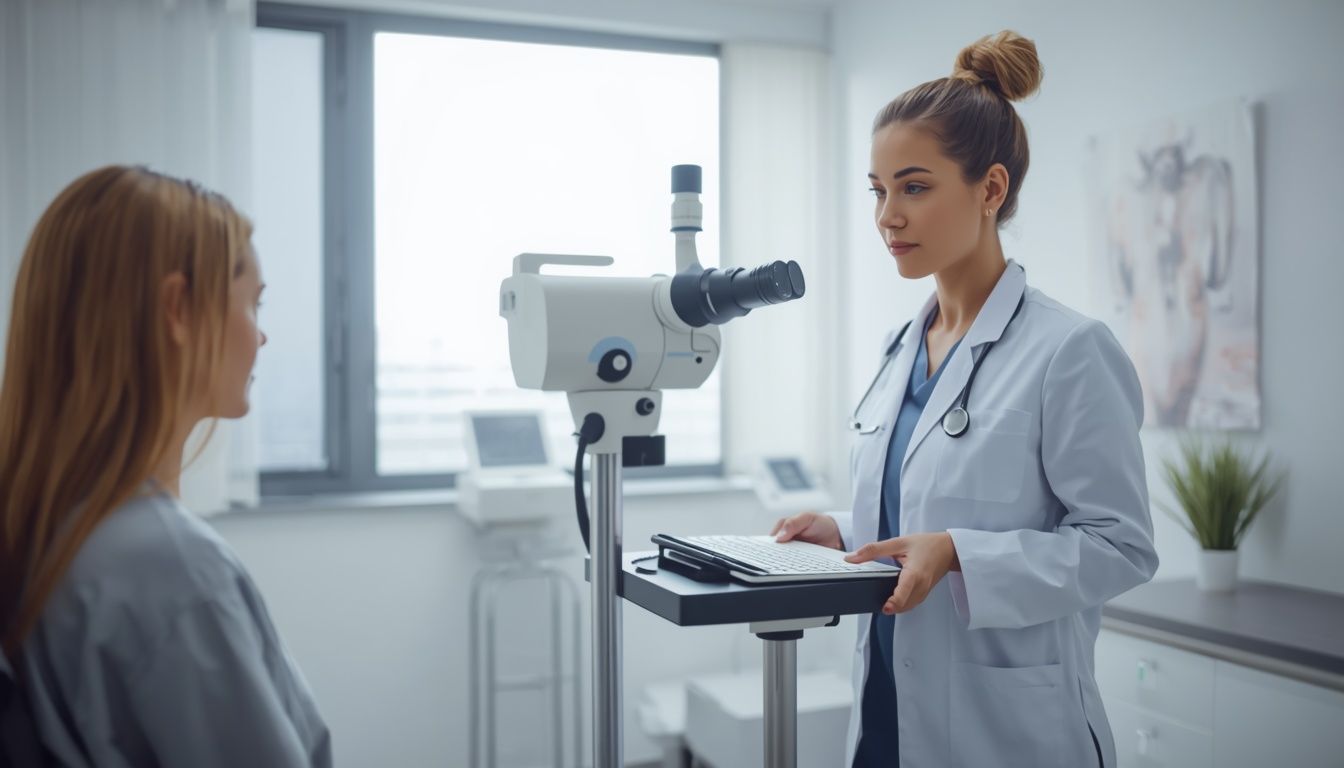
Early detection of breast cancer significantly increases the chances of successful treatment and survival. The primary goal of cancer prevention strategies is to identify potential health issues as early as possible, before they have a chance to develop into something more serious. Understanding and implementing these strategies can empower individuals to take proactive steps toward maintaining their breast health. Here are key points to consider for cancer prevention:
- Regular Screening Tests: Participating in regular mammograms can detect breast cancer early, even before any symptoms appear.
- Self-Exams: Learning how to perform self-exams can help you become familiar with your breasts, enabling you to notice any changes or abnormalities early on.
- Healthy Lifestyle Choices: A balanced diet, regular exercise, maintaining a healthy weight, and avoiding excessive alcohol consumption can reduce the risk of breast cancer.
- Genetic Testing: For those with a family history of breast cancer, genetic testing can provide important information about your risk level.
Awareness and Education: Staying informed about the latest research and recommendations for breast cancer prevention is crucial. Knowledge truly is power when it comes to protecting your health.
Proactive Preventive Measures
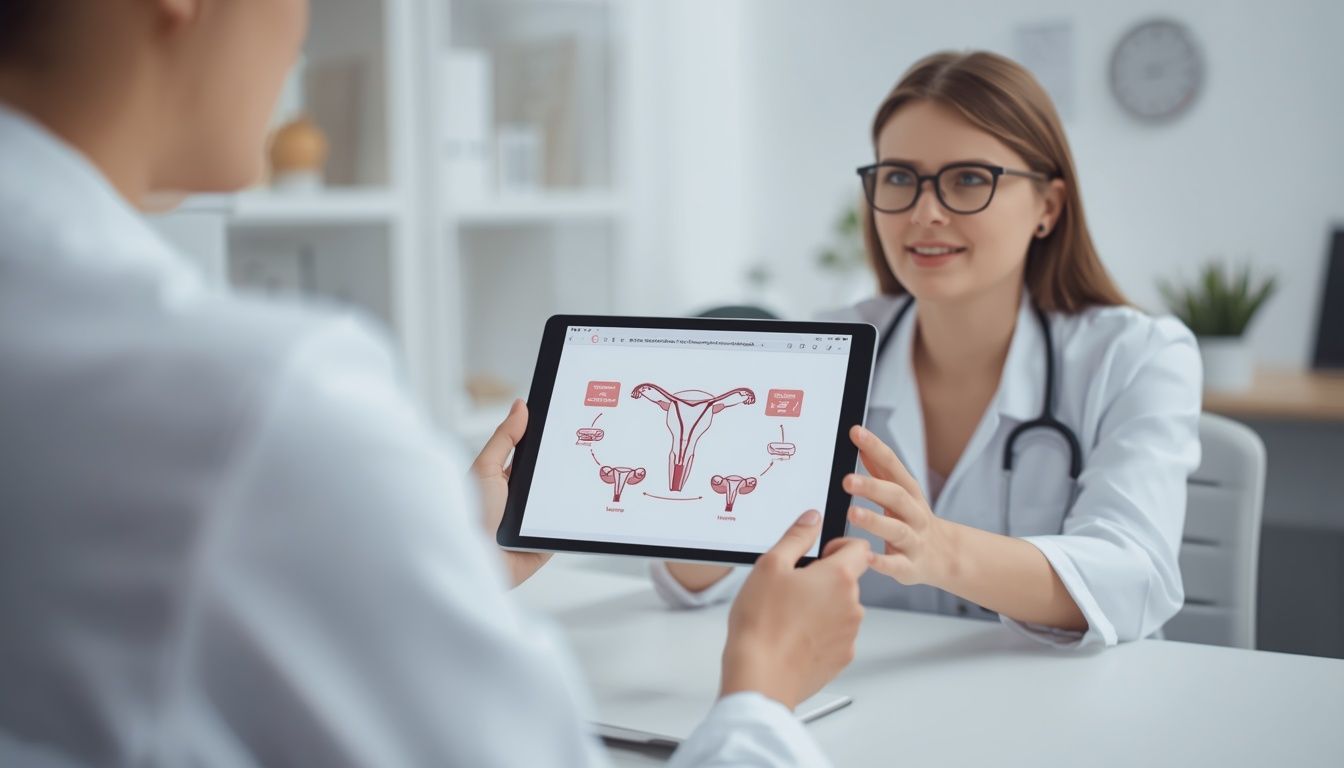
Taking proactive preventive measures is a fundamental aspect of safeguarding one's health, particularly in the realm of women's health screening. These screenings are essentially preventive checks that aim to detect potential health issues before they escalate into more significant problems. Being proactive about health screening allows for early intervention and can considerably impact the course of treatment and recovery. Here are some recommended preventive measures and screenings for women's health:
- Regular Pap Smears: Crucial for detecting cervical cancer early. It is recommended for women to start screening at the age of 21 and continue regularly as advised by their healthcare provider.
- HPV Vaccination: Highly effective in preventing human papillomavirus (HPV) infections, which can lead to cervical and other types of cancers.
- Bone Density Screening: Important for older women to assess the risk of osteoporosis and fractures.
- Comprehensive Blood Tests: Can reveal crucial information about heart health, diabetes risk, thyroid function, and more.
Annual Wellness Visits: An opportunity to discuss with your healthcare provider any changes in your body or health concerns, ensuring that any potential issues are addressed promptly.
Raising the Flag of Awareness
Raising awareness about breast health is not only crucial for promoting early detection and preventive measures but also for breaking down the barriers and stigma that often accompany discussions about breast diseases. By cultivating an environment of openness and support, we can encourage more individuals to engage in health-promoting behaviors and seek medical advice when necessary. Here are several strategies to elevate breast health awareness:
- Educational Programs: Implement educational programs that provide comprehensive information on breast health, including how to perform self-exams and the importance of regular screenings.
- Community Events: Organize community events, such as walks or marathons, dedicated to raising awareness and funds for breast cancer research.
- Social Media Campaigns: Utilize social media platforms to share stories, facts, and preventive tips related to breast health, reaching a wider audience.
- Partnerships with Healthcare Providers: Collaborate with local healthcare providers to offer free or low-cost screening programs to underserved communities.
Support Groups: Establish support groups for individuals affected by breast cancer, providing a space for sharing experiences and offering mutual support.
Conclusion
Breast health should be a continuous dialogue, not just a fleeting thought. By promoting regular self-examinations, committing to clinical screenings, and making informed lifestyle choices, women can take the reins of their health.
It is through these concerted efforts that we can diminish the impact of breast cancer. Enlightenment begets empowerment, and it is the responsibility of each individual to disseminate knowledge, provide support, and advocate for resources.
The power to fortify breast health awareness lies in our collective action, driving home the message that early detection saves lives. In our unified commitment to breast health, we exude resilience, compassion, and an unwavering dedication to the well-being of women around the world.
About Infinity Medical Group
Infinity Medical Group is a leading healthcare provider specializing in women's health, particularly menopause management. We offer comprehensive medical care covering a wide range of services, including Gynecology, Cosmetic Surgery, Obstetrics, Medical Weight Loss, Urogynecology, and Med Spa. Our dedicated team of healthcare professionals focuses on providing personalized treatment plans, considering each woman's unique circumstances and needs.
Our holistic approach extends beyond our clinic's walls, offering resources and online support, ensuring help is always just a click away.
For any queries, advice, or to schedule an appointment with our professionals, please feel free to Contact Us. We are here to support and guide you through your journey, ensuring that you receive the best possible care and services to manage this transition smoothly.