How to Deal with Hormonal Imbalances That Affect Your Marriage
Hormonal imbalances can put a strain on your marriage. They may cause mood swings, irritability, and other emotional changes that affect your relationship.
It's important to recognize the signs and take steps to address them. Understanding and communication are key. You and your partner can work together to find solutions.
From seeking medical advice to making lifestyle changes, there are ways to manage these imbalances.
This blog will guide you through helpful strategies to support your marriage while dealing with hormonal challenges.
Understanding Hormonal Imbalances
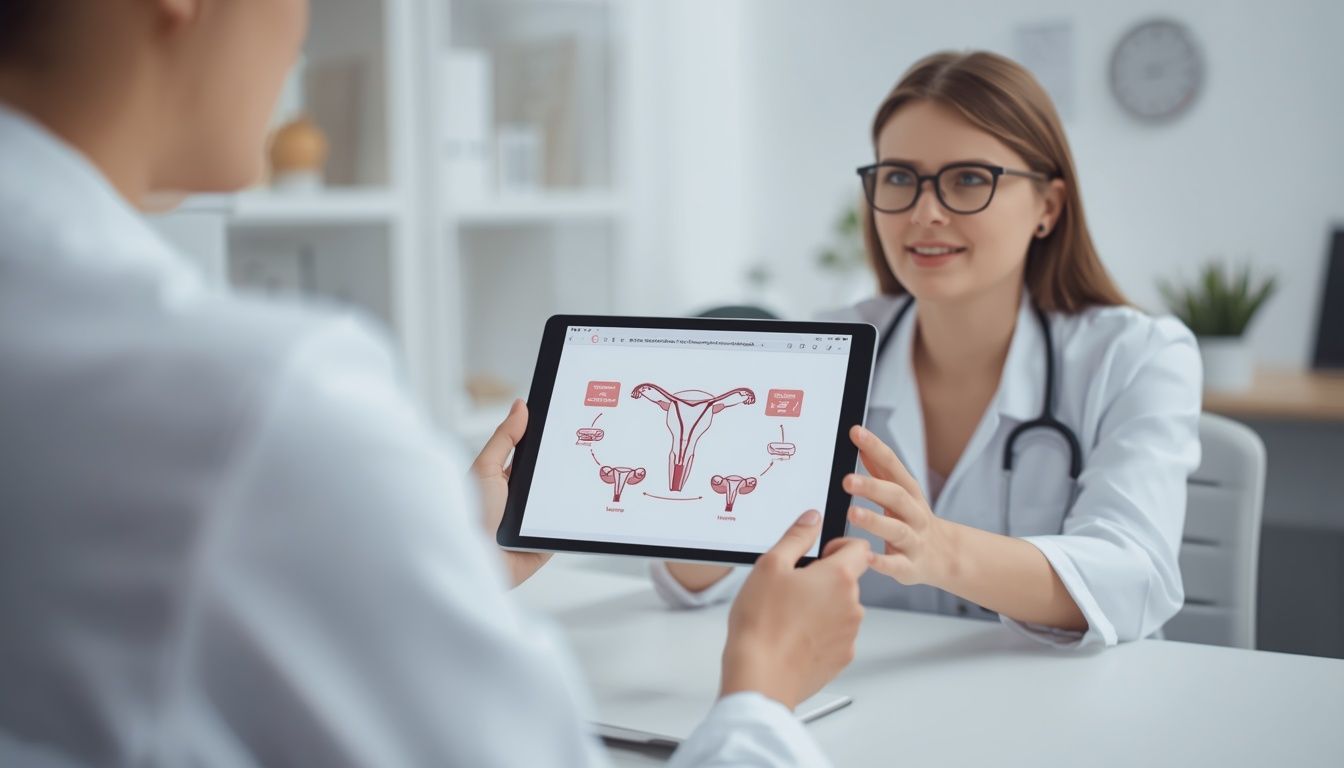
Hormonal imbalances occur when there is too much or too little of a hormone in the bloodstream. Since hormones play an essential role in regulating mood, energy levels, and overall health, any imbalance can have significant effects on both physical and emotional well-being.
Common Causes of Hormonal Imbalances
- Stress and Anxiety
- Poor Diet
- Lack of Exercise
- Medical Conditions (e.g., PCOS, thyroid disorders)
- Aging
Symptoms of Hormonal Imbalances
Recognizing the symptoms of hormonal imbalances is the first step in managing them. Here are some common signs:
- Mood Swings: Sudden changes in mood, often leading to irritability or depression
- Fatigue: Persistent tiredness and lack of energy
- Changes in Weight: Sudden weight gain or loss without any significant changes in diet or exercise
- Sleep Issues: Difficulty falling or staying asleep
- Reduced Libido: Decreased interest in sexual activities
Impact on Marriage
Hormonal imbalances can undoubtedly impact the dynamic of your marriage. The symptoms such as mood swings and fatigue may lead to misunderstandings and conflicts.
It's crucial to acknowledge that these changes are not the fault of either partner but rather a result of the imbalance itself. Here are some specific areas where hormonal fluctuations can affect your relationship:
- Emotional Disconnect: When one partner is experiencing intense mood swings or depression, it can create a sense of emotional distance.
- Decreased Intimacy: Reduced libido and physical fatigue can lead to a decrease in physical intimacy, which is often an essential part of marital satisfaction.
- Increased Arguments: Irritability and frustration can result in frequent and often unnecessary arguments.
Dealing with Hormonal Imbalances Together
Successfully managing hormonal imbalances in your marriage requires a joint effort and commitment from both partners. Communication is vital, as understanding each other's experiences can foster empathy and reduce misunderstandings. Let's explore some helpful strategies and tips:
Open Communication
- Talk Openly and Honestly: Share your thoughts and feelings with each other. Address how hormonal imbalances affect you and your relationship.
- Listen Actively: Give your partner your full attention when they speak, validating their feelings and experiences.
Lifestyle Changes
Making changes to your daily routine can significantly help in managing hormonal imbalances. Consider the following:
- Healthy Diet: Incorporate a balanced diet rich in fruits, vegetables, whole grains, and lean proteins. Avoid processed foods and excessive sugar.
- Regular Exercise: Engage in regular physical activities like walking, yoga, or swimming to help balance your hormones and boost your mood.
- Stress Management: Practice stress-reducing techniques such as meditation, deep breathing exercises, or hobbies that bring joy.
Support Each Other
- Be Patient: Understand that managing hormonal imbalances takes time and patience.
- Offer Support: Help each other with daily tasks, and make efforts to reduce each other's stress.
- Celebrate Small Wins: Acknowledge and celebrate any progress made, no matter how small.
Seeking Professional Help
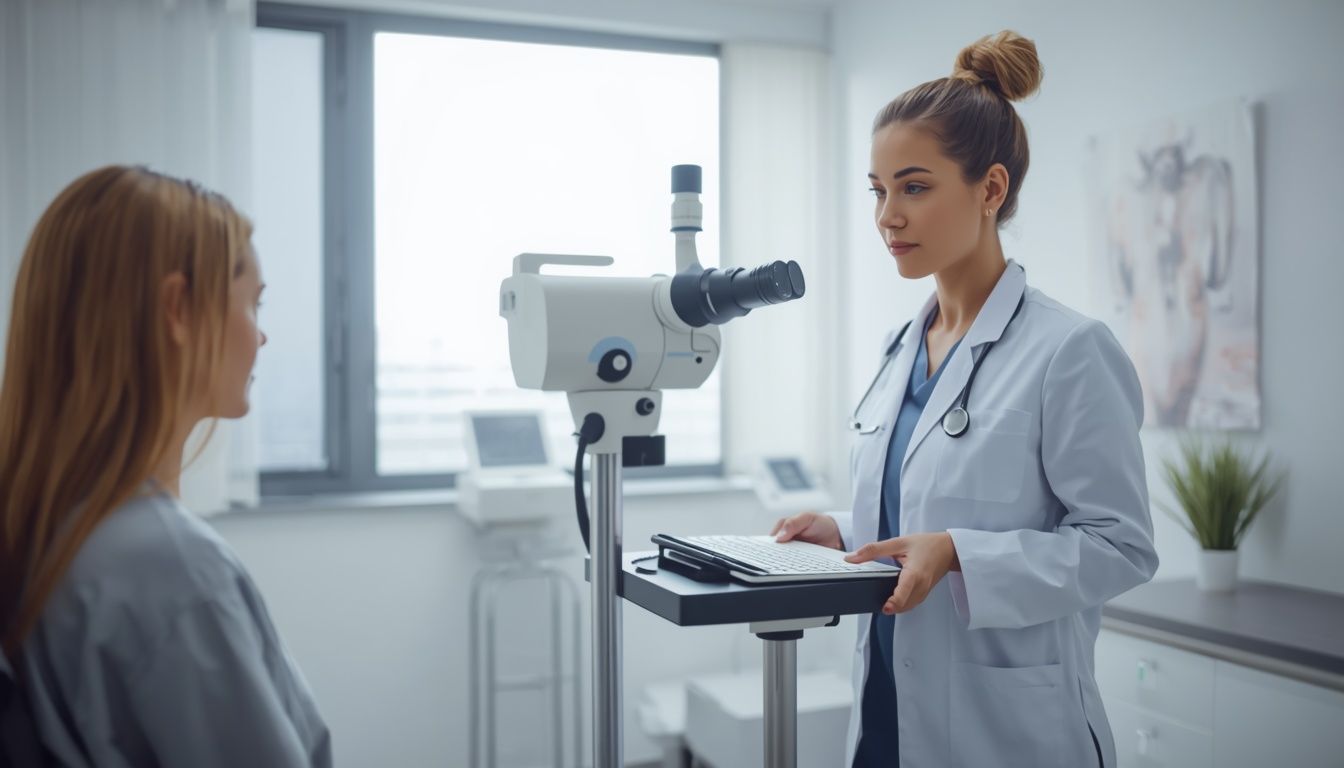
If lifestyle changes and open communication are not enough to manage the symptoms of hormonal imbalances, seeking the advice of a healthcare professional can be a helpful next step.
Find the Right Specialist
- Endocrinologist: This type of doctor specializes in glands and the hormones they produce. They can help diagnose and treat hormonal imbalances.
- Therapist: Speaking with a therapist who has experience dealing with hormonal issues can help both partners navigate the emotional and relational challenges.
Treatment Options
Depending on the underlying cause of the hormonal imbalance, medical professionals may suggest one or more of the following treatments:
- Medication: Hormonal replacement therapies or other medications may be prescribed to balance hormone levels.
- Natural Supplements: Some healthcare providers may recommend vitamins, minerals, or herbal supplements to help manage symptoms.
- Therapeutic Interventions: Counseling or therapy can provide additional strategies for handling emotional and relational stress
Encouraging a Strong Relationship
To keep your marriage strong while dealing with hormonal imbalances, consider implementing the following strategies:
- Plan Regular Date Nights: Keep your relationship exciting by scheduling regular time together to reconnect.
- Practice Gratitude: Express gratitude for each other daily. It can boost emotional connection and improve your overall relationship.
- Maintain Physical Intimacy: Even if libido is low, physical touch and closeness are important for maintaining intimacy.
Here's how you can build new habits together:
- Set Realistic Goals: Set small, achievable goals for changes you want to make together.
- Track Progress: Keep a journal or use an app to track symptoms and improvements, helping you see progress over time.
- Celebrate Achievements: Take time to celebrate successes, no matter how small they may seem.
Are you struggling with hormonal imbalances that are affecting your marriage?
Hormonal imbalances can pose significant challenges to a marriage, affecting communication, intimacy, and overall relationship dynamics. However, with open communication, lifestyle changes, and medical intervention, couples can successfully navigate these obstacles.
By working together and supporting each other, you can strengthen your marriage and improve your overall well-being. Don't hesitate to seek professional help and stay proactive in managing your hormonal health. Your relationship and quality of life depend on it.
Book an appointment today! Call - 1-877-241-4004