Obstetrics and Gynecology: Understanding the Differences

May 30, 2024

Are you curious about women's health but get confused by the terms "obstetrics" and "gynecology"? Don't worry, you're not alone. These two fields are closely related but serve different needs.


Obstetrics focuses on pregnancy, childbirth, and the postpartum period. Gynecology, on the other hand, deals with the broader spectrum of women's health, from puberty to menopause.


In this blog post, we'll break down the differences, so you can understand who to turn to for specific medical concerns. Let's make women's health simple and clear!

Differences Between Obstetrics and Gynecology

Understanding the key differences between obstetrics and gynecology can help you make informed decisions about your healthcare. While both specialties focus on women's health, their areas of expertise and the conditions they treat vary significantly.


Obstetrics

  • Pregnancy Care: Monitoring the health of both mother and baby throughout the pregnancy.
  • Labor and Delivery: Managing the childbirth process, including any complications that may arise.
  • Postpartum Care: Providing care and support to the mother following delivery.


Gynecology

  • Routine Exams: Performing annual check-ups, including Pap smears and pelvic exams.
  • Reproductive Health: Addressing issues such as menstrual disorders, contraception, and infertility.
  • Menopausal Care: Managing symptoms and health concerns related to menopause.

The Role of Obstetricians and Gynecologists: What to Expect

When you visit an obstetrician or gynecologist, you can expect comprehensive care tailored to your unique needs. These specialists are trained to support you through various stages of life.


  • Personalized Treatment Plans: Obstetricians and gynecologists work with you to develop a care plan tailored to your individual health needs and lifestyle. This personalized approach helps address specific concerns, whether it’s managing a healthy pregnancy or treating hormonal imbalances.
  • Preventative Care: Regular visits for check-ups and screening tests are crucial for maintaining your health. Preventative care includes routine exams, screenings for cervical cancer, and discussions about reproductive health options.
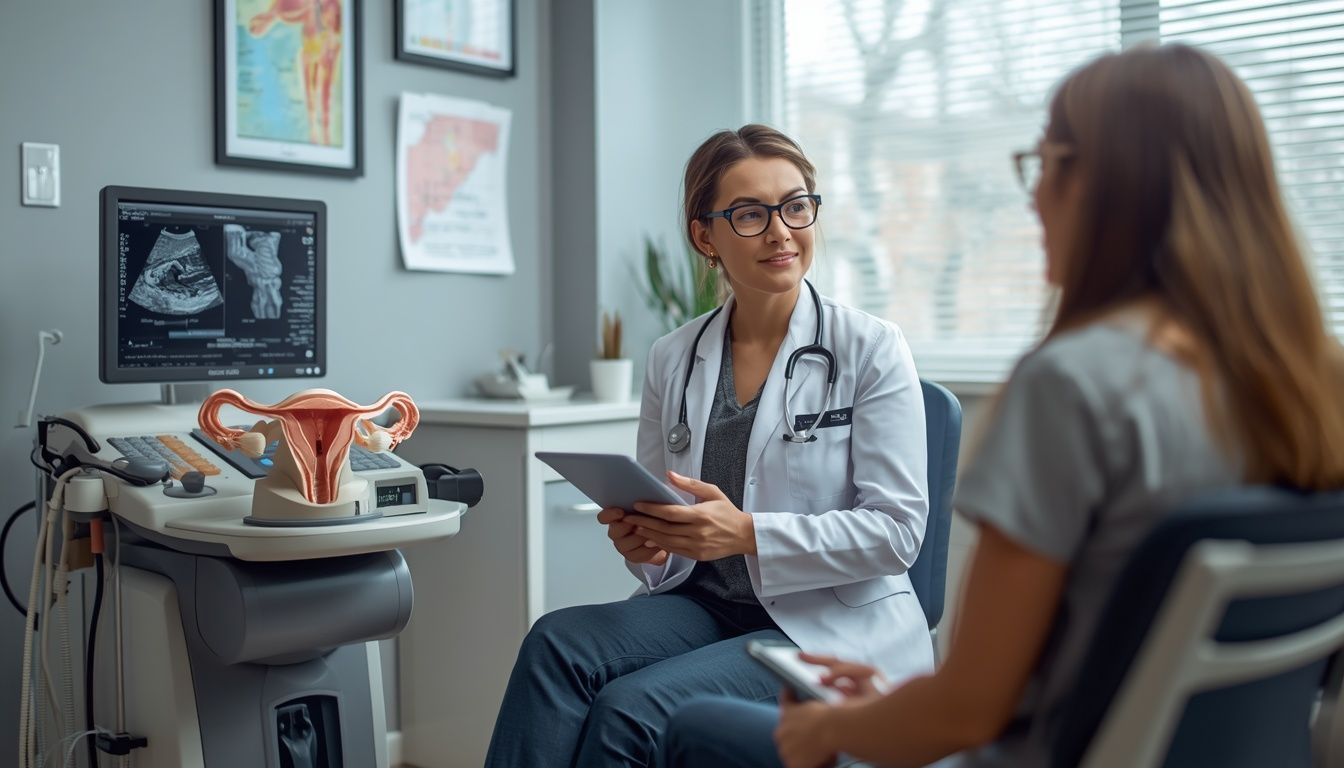
  • Advanced Diagnostics: Utilizing the latest technology, obstetricians and gynecologists can diagnose and treat issues with greater accuracy. Whether it’s ultrasound for pregnancy monitoring or advanced laparoscopic procedures, state-of-the-art tools are at the forefront of care.
  • Emotional Support: Understanding that health issues can be stressful, these specialists also provide emotional support, answering questions and offering reassurance throughout your treatment journey.
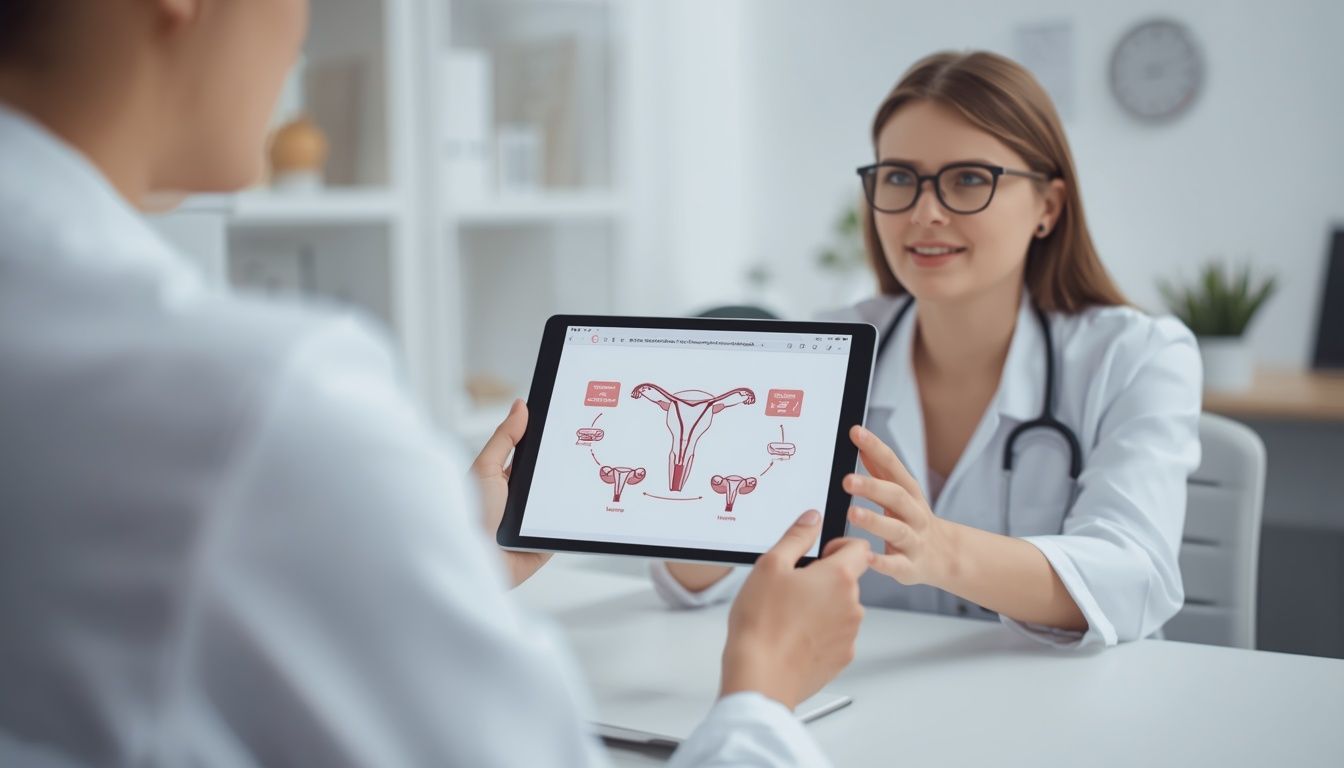
  • Education and Empowerment: Your health specialist will empower you with knowledge about your body and health, explaining procedures and treatment options in a way that’s easy to understand.


Remember, maintaining open communication with your obstetrician or gynecologist is key to receiving the best care possible.

Common Procedures and Services Provided in Obstetrics and Gynecology

Understanding the range of services provided by obstetricians and gynecologists can help you know what to expect and when to seek care.


  • Ultrasound: Used for a variety of purposes including monitoring pregnancy, diagnosing gynecological conditions, and guiding certain treatments.
  • Pap Smears: A routine test for cervical cancer screening that is typically part of an annual gynecological exam.
  • Mammograms: Recommended screenings for breast cancer, usually starting at age 40.
  • Blood Tests: Used to monitor hormone levels, diagnose conditions like anemia, and check for infections.
  • Pelvic Exams: A standard part of a gynecological visit that helps assess the health of reproductive organs.
  • Fertility Treatments: Including ovulation induction, intrauterine insemination (IUI), and in vitro fertilization (IVF).
  • Contraceptive Counseling: Discussions about various birth control options and what might be best for your lifestyle and health needs.
  • Laparoscopy: A minimally invasive surgical procedure used to diagnose and treat conditions such as endometriosis and ovarian cysts.
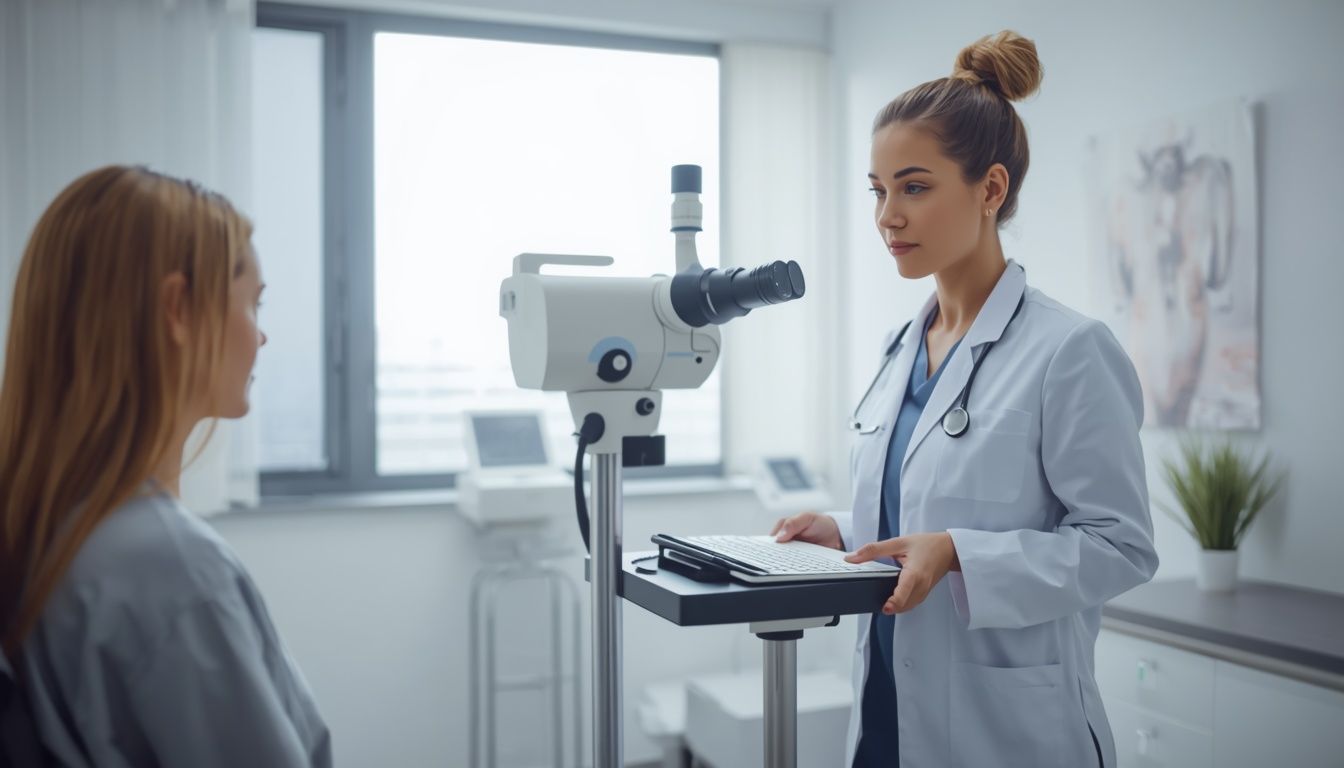
  • Colposcopy: A follow-up procedure to investigate abnormal Pap smear results by examining the cervix, vagina, and vulva more closely.
  • Hysterectomy: Surgical removal of the uterus, often used to treat severe gynecological conditions.
  • Prenatal Care: Regular consultations and check-ups to monitor the health of both mother and baby during pregnancy.
  • Menopausal Management: Treatment and advice for managing symptoms of menopause, including hormone replacement therapy.


Staying informed about these common procedures and services can empower you to take proactive steps in managing your health. Always feel free to discuss any concerns or ask questions during your visit to ensure you're receiving the care and support you need.

The Importance of Regular Check-Ups for Pregnant Women and New Mothers

Regular check-ups are crucial for the well-being of both expectant mothers and their babies. Here's why:


  • Early Detection of Complications: Routine visits help identify potential issues early on, allowing for timely intervention and treatment.
  • Monitoring Baby's Development: Regular ultrasounds and screenings ensure that the baby's growth and development are on track.
  • Maternal Health: Keeping an eye on the mother's health, including blood pressure and glucose levels, helps prevent complications such as preeclampsia and gestational diabetes.
  • Nutritional Guidance: Healthcare providers can offer personalized advice on nutrition and supplements to support a healthy pregnancy.
  • Emotional Support: Regular check-ups provide an opportunity to discuss any emotional or mental health concerns, ensuring that new mothers receive comprehensive care.
  • Postpartum Care: Follow-up visits after delivery are essential for addressing issues like postpartum depression, breastfeeding challenges, and recovery from childbirth.
  • Vaccinations: Ensuring both mother and baby are up-to-date on necessary vaccinations to protect against preventable diseases.
  • Education and Resources: Regular visits provide valuable information about childbirth options, newborn care, and parenting resources.


Prioritizing these regular check-ups lays the foundation for a healthy pregnancy and smooth transition into motherhood, giving both mother and baby the best start possible.

Frequently Asked Questions

What is the difference between an obstetrician and a gynecologist?

An obstetrician specializes in pregnancy and childbirth, while a gynecologist focuses on the broader aspects of women's reproductive health.


Can I see the same doctor for both obstetrics and gynecology?

Many doctors are trained in both fields, known as OB-GYNs, providing a comprehensive range of services.


What should I expect during my first OB-GYN visit?

Your first visit may involve a physical exam, discussion of your medical history, and any specific concerns or symptoms you have.


How often should I visit my gynecologist?

It's recommended to have an annual check-up, although the frequency may vary based on individual health needs.

Ready to Take Control of Your Health? Book your appointment today by calling 1-877-241-4004 and ensure you're receiving the best care possible.


Medical aesthetics consultation explaining Botox for wrinkles and dermal fillers for facial volume
February 3, 2026
Confused between Botox and dermal fillers? Learn how each treatment works, what concerns they address, and how to choose the right option for your skin.
Doctor discussing bioidentical hormone therapy options
February 3, 2026
Learn how bioidentical hormone therapy helps restore hormonal balance, manage menopause symptoms, and support women’s long-term health.
Medical professional performing laser hair removal on sensitive skin in a clinical setting with calm
January 6, 2026
Discover why laser hair removal is a safer, long-term option for sensitive skin, reducing irritation, ingrown hairs, and razor burn.
Adult woman performing light strength training in a wellness studio
January 6, 2026
Discover how combining medical weight loss with strength training improves metabolism, preserves muscle, and supports long-term health for women.
Realistic photo of a stressed woman indoors with a calm neutral background
November 25, 2025
Chronic stress can disrupt reproductive hormones, affect menstrual cycles, fertility, and pregnancy health. Learn how stress impacts women and when to seek OB/GYN care.
A real photo of a woman gently touching her neck to show symptoms of thyroid imbalance
November 25, 2025
Learn how thyroid issues affect women’s hormones, menstrual cycles, fertility, and pregnancy. Understand symptoms and when to seek help from a women’s health provider.
A confident woman in her 30s consulting with a female OB/GYN about non-surgical vaginal rejuvenation
November 4, 2025
Learn how non-surgical vaginal rejuvenation restores comfort, confidence, and vaginal health using safe, gentle treatments with no downtime.
A smiling woman talking with her OB/GYN during a preconception visit, discussing pregnancy planning
November 4, 2025
Learn how to prepare for your preconception visit. Discover key steps for a healthy pregnancy, from prenatal vitamins to lifestyle and fertility tips.
October 14, 2025
Many women experience pelvic discomfort or subtle changes that affect their confidence during intimacy. Pain during intercourse, reduced sensation, or difficulty achieving satisfaction are more common than most realize. Yet, the connection between pelvic health and sexual wellness is often overlooked. Your pelvic floor plays a key role in sexual function, comfort, and confidence. When these muscles are strong and healthy, they improve circulation and sensation. When weakened or strained, they can create discomfort and impact quality of life. At Infinity Medical Group , our specialists understand that pelvic health requires both medical expertise and compassionate care. We help women restore strength, balance, and comfort through personalized treatments designed to improve physical wellness and intimate confidence. Understanding Pelvic Health Pelvic health refers to the condition of the muscles, ligaments, and tissues that support the bladder, uterus, vagina, and rectum. These structures work together to maintain control, stability, and sexual response. Healthy pelvic floor muscles enhance blood flow and muscle tone, supporting pleasurable and comfortable intimate experiences. However, pregnancy, childbirth, menopause, aging, and even daily activities such as heavy lifting or sitting for long periods can weaken these muscles over time. How Pelvic Health Affects Sexual Wellness The relationship between pelvic health and sexual wellness is multifaceted, influencing both physical sensation and emotional comfort during intimate moments. Pelvic Floor Strength Strong pelvic floor muscles are essential for optimal sexual function. These muscles support increased blood flow to the genital area during arousal, contributing to sensitivity and pleasure. When pelvic muscles are weak, you may experience decreased sensation, difficulty reaching orgasm, or reduced sexual satisfaction overall. Research indicates that women with stronger pelvic floor muscles report higher levels of sexual satisfaction and more frequent orgasms. This connection occurs because well-toned muscles can contract more effectively during climax and maintain better blood circulation to enhance arousal. Pelvic Pain and Tightness Chronic pelvic pain conditions, including endometriosis, vulvodynia, or pelvic inflammatory disease, can make sexual activity uncomfortable or even unbearable. Similarly, overly tight pelvic floor muscles can cause painful penetration, muscle spasms, or a burning sensation during or after intimacy. Tension in pelvic muscles often develops as a protective response to pain or trauma, but this guarding can perpetuate discomfort and create a cycle of fear and avoidance around sexual activity. Breaking this cycle requires both physical treatment and emotional support. Postpartum Recovery Childbirth significantly impacts pelvic health, with studies showing that approximately 45% of women experience some degree of pelvic floor dysfunction after delivery. Vaginal births can stretch or tear pelvic muscles, while C-sections affect core stability and posture in ways that indirectly influence pelvic function. During the postpartum period, many women notice changes in sexual sensation, difficulty achieving orgasm, or pain during penetration. While some recovery occurs naturally, targeted pelvic floor therapy can accelerate healing and restore function more completely. Hormonal Factors Hormonal changes, particularly declining estrogen levels during menopause, profoundly affect sexual wellness. Lower estrogen reduces vaginal lubrication, decreases tissue elasticity, and can thin the vaginal walls, making intercourse uncomfortable or painful. These changes don't occur overnight but develop gradually, often causing women to slowly lose interest in sexual activity without understanding the underlying physical causes. Recognizing hormonal influences on pelvic health allows for targeted treatments that can restore comfort and desire. Emotional Impact The psychological effects of pelvic health issues often prove just as significant as physical symptoms. Ongoing discomfort, fear of pain, or embarrassment about symptoms can erode sexual confidence and strain intimate relationships. Many women begin avoiding sexual activity entirely, creating distance in their partnerships and further diminishing their connection to their own sexuality. This emotional component requires acknowledgment and support as part of comprehensive treatment. Signs of Pelvic Floor Dysfunction Recognizing symptoms of pelvic floor problems can help you seek appropriate care before issues become more severe. Common signs include: Pain during sexual activity or penetration Difficulty achieving orgasm or reduced sexual sensation Leaking urine when coughing, sneezing, or exercising Feeling of pelvic pressure or heaviness Frequent urination or difficulty emptying the bladder completely Persistent lower back or hip pain Painful bowel movements or difficulty with bowel control  These symptoms often develop gradually and may be dismissed as "normal" aging or unavoidable consequences of childbirth. However, pelvic floor dysfunction is a medical condition with effective treatments available. How Pelvic Floor Therapy and Urogynecology Can Help Urogynecology focuses on diagnosing and treating pelvic floor disorders in women. Treatment often begins with a detailed evaluation to identify muscle weakness or tension. Based on findings, your provider may recommend: Pelvic floor physical therapy using targeted exercises and manual techniques Hormonal support to improve lubrication and tissue health Pain management or minimally invasive procedures for structural corrections At Infinity Medical Group , every treatment plan is personalized. Our goal is to help women regain control, comfort, and confidence in their bodies. Breaking the Stigma Around Women's Sexual Health Despite affecting millions of women, sexual wellness remains a topic many feel uncomfortable discussing, even with healthcare providers. This silence perpetuates suffering and prevents women from accessing available treatments. Your sexual health is an integral part of your overall wellness, deserving the same attention and care as any other health concern. Seeking help for pelvic health issues demonstrates strength and self-advocacy, not weakness or embarrassment. Healthcare providers specializing in women's health understand these concerns and create safe, judgment-free environments for discussing intimate health matters. Every woman deserves to feel comfortable and confident in her body, and professional support can help you achieve this goal. Restoring Your Confidence and Wellness Maintaining optimal pelvic health enhances not only sexual wellness but also self-esteem and overall quality of life. The connection between physical comfort and emotional confidence creates a positive cycle that benefits all aspects of your wellbeing. Taking the first step toward addressing pelvic health concerns can feel daunting, but remember that effective treatments exist, and compassionate providers are ready to help. You don't have to accept discomfort or diminished sexual satisfaction as inevitable parts of being a woman. If pelvic discomfort or sexual health concerns are affecting your confidence, you don't have to face it alone. Contact Infinity Medical Group today to schedule a discreet consultation and restore your pelvic and sexual wellness. Our experienced team provides comprehensive women's healthcare in a supportive environment where your comfort and privacy are our highest priorities.
October 14, 2025
Bringing a new baby home is an emotional experience. The joy is immense, but so are the challenges. Sleepless nights, constant feeding, and the responsibility of caring for a tiny human can feel overwhelming. It's no wonder that many new mothers experience a wide range of emotions, from pure happiness to moments of sadness and anxiety. While these feelings are a normal part of the postpartum journey, it’s important to understand when they might signal something more serious. At Infinity Medical Group, we are dedicated to supporting women through every stage of motherhood, including the crucial postpartum recovery period. We believe that understanding your emotional health is just as important as your physical recovery. This guide will help you learn the difference between the common "baby blues" and the more serious condition of postpartum depression (PPD), so you can get the right support when you need it. Understanding the Baby Blues If you find yourself crying for what feels like no reason or feeling irritable a few days after giving birth, you are not alone. These feelings are often part of the "baby blues," a term for short-term mood changes experienced by up to 80% of new mothers. The baby blues are largely caused by the dramatic hormonal shifts that occur after delivery. Your body is recovering from childbirth, you're likely not getting enough sleep, and you're adjusting to a new and demanding routine. All of these factors can contribute to temporary emotional ups and downs. Symptoms typically appear within the first few days after birth and usually fade on their own within two weeks. Common symptoms of the baby blues include: Sudden mood swings or irritability Feeling sad, anxious, or overwhelmed Crying spells with no clear trigger Difficulty sleeping (beyond newborn interruptions) Trouble concentrating For most women, the baby blues resolve without medical treatment. However, if these feelings don’t go away or start to get worse, it might be a sign of postpartum depression. Recognizing Postpartum Depression (PPD) Postpartum depression is more than just a fleeting mood swing. It is a serious mental health condition that can interfere with your ability to care for yourself and your baby. Unlike the baby blues, PPD symptoms are more intense, last much longer, and require professional support to manage. According to the Centers for Disease Control and Prevention (CDC), about 1 in 8 women experience symptoms of postpartum depression. PPD can develop anytime within the first year after childbirth, though it often appears within the first few weeks or months. The symptoms can be debilitating and impact your daily life significantly. Recognizing the signs is the first step toward getting the help you need to feel like yourself again. Symptoms of postpartum depression can include: Persistent feelings of sadness, hopelessness, or emptiness Severe mood swings, anxiety, or panic attacks Overwhelming guilt, shame, or feelings of worthlessness Loss of interest in activities you once enjoyed Lack of interest in or difficulty bonding with the baby Significant changes in appetite or sleep patterns Withdrawing from family and friends Thoughts of harming yourself or your baby If you are experiencing any of these symptoms, it is essential to seek professional help. PPD is a treatable medical condition, and early diagnosis makes a significant difference in recovery. When to Seek Professional Support It can be hard to know when your feelings have crossed the line from the baby blues to something more concerning. A general rule is to pay attention to the intensity and duration of your symptoms. If your feelings of sadness or anxiety last for more than two weeks, or if they are so severe that they interfere with your ability to function, it’s time to talk to a healthcare provider. Postpartum depression is not something you have to endure alone, nor is it a sign of weakness. It is a complication of childbirth, and effective treatments are available. At Infinity Medical Group, a leading women’s health clinic in the area, we offer comprehensive postpartum care that includes mental and emotional wellness checks. Our compassionate team can provide a diagnosis, connect you with counseling or therapy, and discuss medical treatment options if needed. Tips for Coping and Recovery While professional support is key, there are also practical steps you can take to manage your emotional well-being during the postpartum period. These strategies can help you cope with the baby blues and support your recovery from PPD. Prioritize Rest: Sleep when the baby sleeps. It might feel impossible, but even short naps can make a big difference. Nourish Your Body: Eat healthy, balanced meals and stay hydrated. Good nutrition can have a positive impact on your mood and energy levels. Accept Help: Don’t be afraid to ask for and accept help from your partner, family, and friends. Let them cook a meal, watch the baby, or run errands. Stay Connected: Talk to other new mothers. Joining a support group, either online or in person, can provide a sense of community and reduce feelings of isolation. Get Gentle Exercise: A short walk outside can boost your mood. Check with your doctor before starting any new fitness routine. Reach Out Early: If you're struggling, talk to a healthcare professional. The sooner you seek help, the sooner you can start feeling better. How Infinity Medical Group Can Help At Infinity Medical Group, we understand that the journey to motherhood is unique for every woman. Our integrated care model combines expert OB/GYN services with compassionate postpartum care to ensure you feel supported both physically and emotionally. Our doctors and nurses are experienced in maternal mental health and are here to listen without judgment.  We provide a safe space for you to discuss your feelings and concerns. During your postpartum checkups, we’ll talk about your emotional well-being and screen for postpartum depression. If needed, we can offer referrals to trusted mental health professionals, providing you with a network of support for new mothers . You Are Not Alone Recovering from childbirth while navigating the challenges of new motherhood is a monumental task. Remember that it's okay to not be okay, and help is available. With the right support system, you can overcome postpartum mood challenges and fully enjoy this new chapter of your life. Your well-being matters, and taking care of yourself is the best thing you can do for your baby. If you or someone you love is struggling after childbirth, you’re not alone. Contact Infinity Medical Group today to schedule a postpartum care visit and get the support you deserve.