Preparing for Your Preconception Visit: Steps Toward a Healthy Pregnancy
Thinking about getting pregnant? That's exciting! But before you start decorating the nursery or choosing baby names, there's an important first step: scheduling a preconception visit with your OB/GYN.
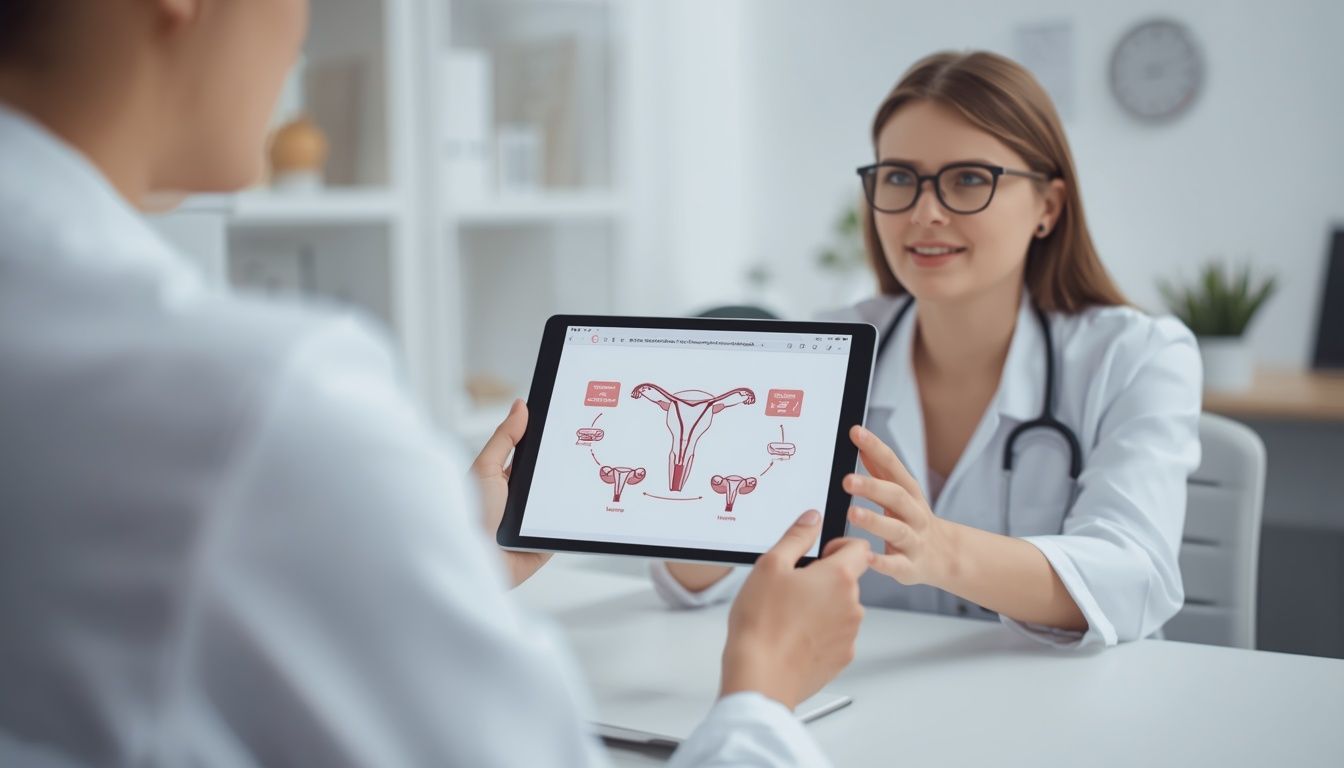
A preconception visit is a special appointment designed to help you prepare your body and mind for pregnancy. It's not just about confirming you're ready to conceive. It's about identifying any health concerns early, optimizing your wellness, and setting the stage for a smoother pregnancy and a healthier baby.
Many women assume they can simply stop using birth control and wait for a positive test. While that works for some, a little planning goes a long way. This visit gives you and your provider a chance to address anything that might affect conception or pregnancy outcomes. Whether it's your first baby or your third, a preconception visit offers valuable peace of mind.
Why a Preconception Visit Matters
Your body does a lot of work during pregnancy. Preparing ahead of time helps ensure you're in the best possible health when conception happens. A preconception visit allows your healthcare provider to:
- Detect and manage health conditions early: Conditions like diabetes, thyroid disorders, high blood pressure, or polycystic ovary syndrome (PCOS) can affect fertility and pregnancy. Managing them before conception reduces risks.
- Review current medications: Some medications aren't safe during pregnancy. Your provider can help you adjust or switch prescriptions if needed.
- Identify genetic or family health risks: If you or your partner have a family history of genetic disorders, early screening can help you make informed decisions.
- Discuss age-related fertility concerns: Fertility naturally declines with age. Your provider can offer guidance based on your individual situation.
According to the Centers for Disease Control and Prevention (CDC), planning for pregnancy can help prevent complications and improve outcomes for both mother and baby. This visit is your opportunity to get ahead of potential challenges.
What to Expect During the Appointment
Wondering what happens at a preconception visit? Here's a breakdown of what you can typically expect:
Medical History Review
Your provider will ask about your personal and family health history. Be ready to discuss:
- Past pregnancies or miscarriages
- Chronic health conditions
- Mental health concerns
- Family history of genetic disorders or complications
Physical Exam
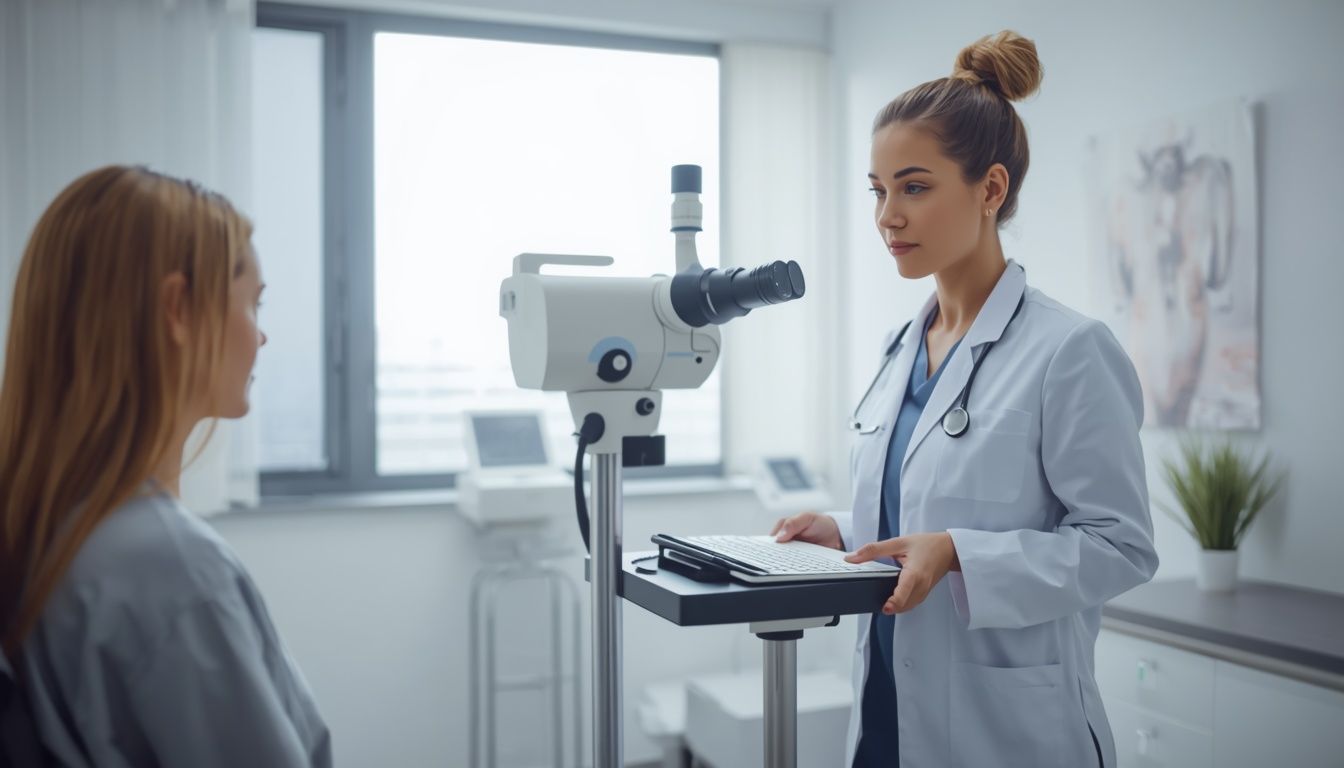
A standard physical exam may include checking your weight, blood pressure, and overall health. Your provider may also order lab work to check for anemia, thyroid function, blood sugar levels, and immunity to certain infections.
Vaccination Review
Certain vaccines are important before pregnancy. Your provider will ensure you're up to date on immunizations like rubella (German measles) and varicella (chickenpox). Some vaccines can't be given during pregnancy, so now is the time to catch up.
Fertility Discussion
Your provider will talk to you about your menstrual cycle, ovulation patterns, and the best timing for conception. If you've been trying without success, this is a good time to discuss next steps.
Lifestyle Factors
Expect questions about smoking, alcohol use, diet, exercise, and stress levels. These factors play a big role in fertility and pregnancy health. Your provider isn't here to judge, they want to help you make changes that support your goals.
Key Steps to Take Before Trying to Conceive
Preparing your body for pregnancy doesn't have to be overwhelming. Small, intentional changes can make a meaningful difference. Here are some practical steps you can take:
Start Prenatal Vitamins
Begin taking a prenatal vitamin with at least 400 to 800 micrograms of folic acid. Folic acid helps prevent neural tube defects, which develop in the early weeks of pregnancy; often before you even know you're expecting.
Maintain a Balanced Diet
Focus on nutrient-rich foods like leafy greens, lean proteins, whole grains, and dairy. Iron, calcium, and protein are especially important as your body prepares for the demands of pregnancy.
Reach a Healthy Weight
Being underweight or overweight can affect ovulation and increase pregnancy risks. Even modest weight changes can improve fertility. Your provider can help you set realistic goals.
Quit Smoking and Limit Alcohol
Both smoking and alcohol can reduce fertility and harm a developing baby. If you need support quitting, your healthcare team can connect you with resources.
Manage Stress and Sleep
Mental wellness is just as important as physical health. Chronic stress and poor sleep can interfere with ovulation and overall well-being. Consider mindfulness practices, therapy, or regular exercise to support emotional health.
Monitor Chronic Conditions
If you have a chronic condition like hypertension, asthma, or epilepsy, work closely with your OB/GYN to keep it well-controlled. Stable health before pregnancy reduces complications later.
Discuss Genetic Counseling and Testing
Some patients may benefit from genetic counseling or carrier screening. This is especially relevant if you or your partner have a family history of inherited disorders, such as cystic fibrosis, sickle cell disease, or Tay-Sachs disease.
Genetic counseling isn't something to fear. It's a proactive step that helps you understand your risks and plan confidently. If screening reveals a concern, you'll have time to explore options and make informed choices with your provider's support.
Partner Health Matters Too
Fertility and pregnancy aren't just about the person carrying the baby. Your partner's health plays a role too. Encourage your partner to:
- Schedule a wellness check
- Review medications and supplements
- Quit smoking and limit alcohol
- Maintain a healthy weight
- Manage stress
Preparing together strengthens your partnership and sets a foundation for a healthy family.
When to Schedule Your Preconception Visit
Ideally, schedule your preconception visit three to six months before you start trying to conceive. This gives you enough time to make any necessary lifestyle changes, address health concerns, and update vaccinations.
That said, it's never too early or too late to plan. If you're already trying to get pregnant and haven't had a preconception visit, don't worry. Schedule one now. Every step you take toward better health benefits you and your future baby.
Take the First Step Toward a Healthy Pregnancy
Preparing for pregnancy is one of the most loving things you can do for yourself and your baby. A preconception visit gives you the chance to address health concerns, optimize your wellness, and enter pregnancy with confidence.
At Infinity Medical Group, our compassionate providers are here to guide you every step of the way. From family planning to high-risk obstetrics, we offer comprehensive care tailored to your unique needs.
Ready to start your journey toward a healthy pregnancy? Schedule your preconception visit with Infinity Medical Group today. Visit https://demosite.infinitymedicalgroup.org/ now!