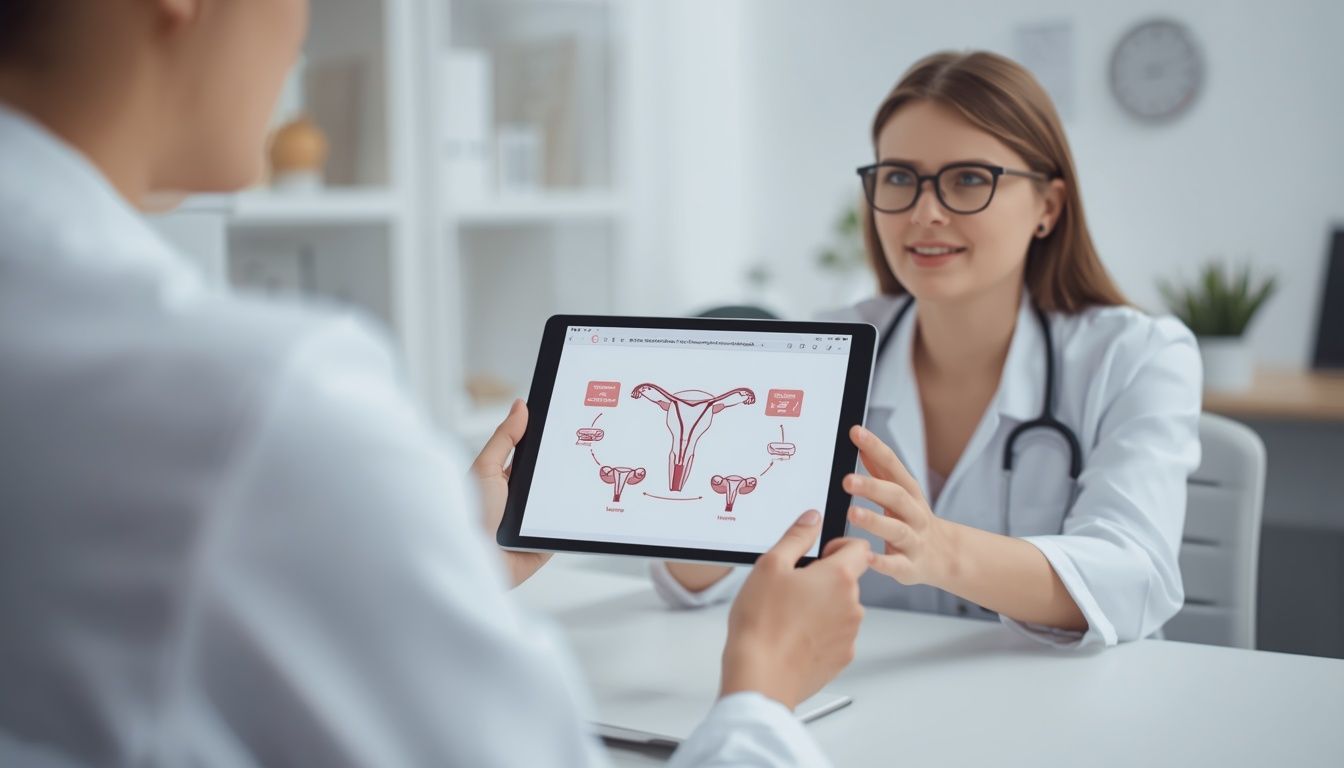
How Stress Impacts Women’s Reproductive Health
Life is full of demanding situations, from tight deadlines at work to navigating personal relationships. While managing daily pressures is a normal part of life, chronic stress can have a significant impact on your body. For women, this often extends to their reproductive system. Understanding this connection is the first step toward protecting your well-being.
This article will explore how stress affects your hormones and what that means for your menstrual cycle, fertility, and overall reproductive health. We will cover the key signs to watch for and explain why seeking professional guidance is so important. By the end, you will have a clearer picture of how to support your body through stressful times.
Your Body’s Response to Stress
When you experience a stressful event, your body activates its "fight-or-flight" response. The adrenal glands release a surge of hormones, primarily cortisol and adrenaline, to prepare you to face a perceived threat. This response is helpful in the short term, giving you the energy and focus needed to handle immediate challenges.
However, when stress becomes a constant presence, cortisol levels can remain elevated for long periods. This chronic state of alert can disrupt the delicate balance of other hormones in your body, particularly those that regulate your reproductive system. Your brain starts to prioritize survival over other functions, including reproduction, which can lead to a range of health issues.
How Stress Disrupts Key Reproductive Hormones
Your reproductive health relies on a carefully orchestrated rhythm of hormones, mainly estrogen and progesterone. These two hormones work together to regulate your menstrual cycle, support fertility, and maintain a healthy pregnancy.
Chronic stress can interfere with this hormonal conversation. High levels of cortisol can suppress the production of gonadotropin-releasing hormone (GnRH) in the brain. GnRH is the master hormone that signals the pituitary gland to produce luteinizing hormone (LH) and follicle-stimulating hormone (FSH). These hormones, in turn, tell the ovaries to produce estrogen and progesterone.
When this signaling pathway is disrupted by stress, the production of estrogen and progesterone can become irregular. This stress and hormone imbalance can lead to noticeable changes in your reproductive health.
The Effects of Stress on Your Reproductive System
A disruption in your hormonal balance can manifest in several ways throughout your life. Here’s how stress can affect different aspects of women's reproductive health.
Menstrual Cycle Irregularity
One of the first signs of chronic stress is often a change in your menstrual cycle. The hormonal fluctuations caused by high cortisol levels can lead to:
- Irregular periods: Your cycle may become shorter, longer, or unpredictable.
- Missed periods (amenorrhea): In some cases, your period may stop altogether for several months.
- Painful periods (dysmenorrhea): Stress can worsen menstrual cramps and other related symptoms like bloating and mood swings.
These irregularities occur because the hormonal signals needed for ovulation and menstruation are not being sent correctly.
Ovulation and Fertility
For women trying to conceive, stress can be a significant roadblock. Since high cortisol levels can interfere with the release of LH and FSH, ovulation may become delayed or even stop. Without ovulation, conception is not possible.
Even if ovulation does occur, stress can impact fertility in other ways. It can affect the uterine lining, making it less receptive to a fertilized egg. Additionally, chronic stress can lower libido, or sex drive, which naturally reduces the frequency of intercourse and the chances of conception.
Pregnancy Complications
Stress during pregnancy is common, but high levels of chronic stress can pose risks for both mother and baby. Elevated cortisol can increase the likelihood of complications such as:
- Preeclampsia (high blood pressure)
- Preterm labor
- Low birth weight
Managing stress is a crucial component of a healthy pregnancy. Techniques like mindfulness, gentle exercise, and seeking emotional support can make a significant difference.
Worsened Menopause Symptoms
The transition to menopause already involves major hormonal shifts. Stress can intensify the symptoms associated with this life stage. Women experiencing high levels of stress may report more severe hot flashes, night sweats, mood swings, and sleep disturbances. Because cortisol and estrogen are linked, managing stress can help create a smoother menopausal transition.
When to See an OB/GYN
While it's normal to experience stress, certain symptoms should not be ignored. Self-diagnosing can be risky, as these signs can also indicate other underlying medical conditions. It’s important to seek professional evaluation if you experience any of the following:
- Consistently irregular or missed periods.
- Difficulty conceiving after several months of trying.
- Severe menstrual pain that interferes with your daily life.
- Unusually low libido that concerns you.
- Complications or high levels of anxiety during pregnancy.
An OB/GYN can perform a thorough evaluation to determine the cause of your symptoms and rule out other health issues.
Take Control of Your Health with Expert Guidance
Navigating the complexities of women's reproductive health can feel overwhelming, especially when stress is a factor. You do not have to figure it out alone. At Infinity Medical Group, our dedicated team provides comprehensive OB/GYN care for women at every stage of life.
We understand the intricate relationship between stress, hormones, and your overall well-being. Using advanced medical diagnostic testing, we can assess stress-related symptoms, investigate irregular cycles, address fertility concerns, and manage pregnancy-related complications. Our goal is to provide you with the clarity and support you need to feel your best.
If you are concerned about how stress may be affecting your health, we are here to help. Schedule a consultation to discuss your symptoms and create a personalized care plan.
Learn more or schedule a consultation at Infinity Medical Group