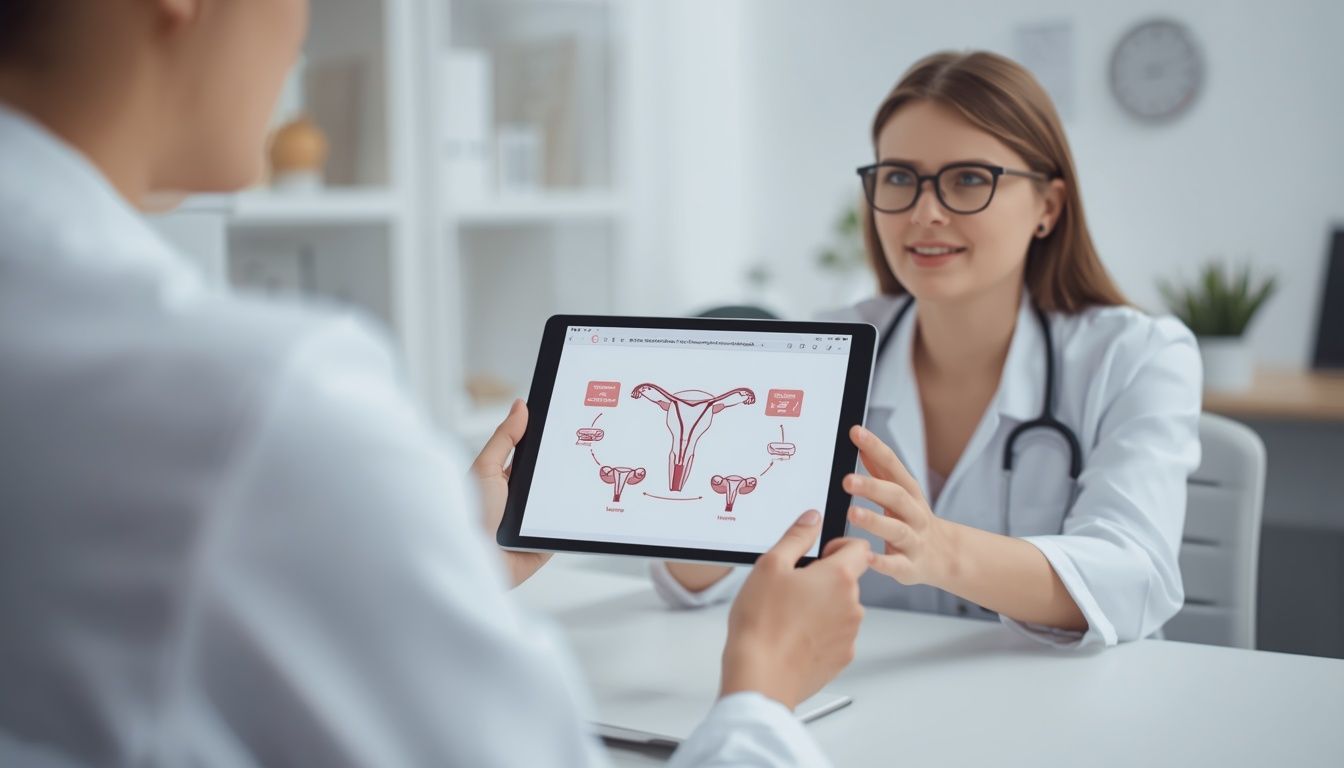
Birth Control Options Explained: Pills, IUDs, Implants and More
Choosing birth control can feel overwhelming. With so many options available, it is hard to know where to start. According to the CDC, nearly 65 percent of women ages 15 to 49 use some form of contraception, yet many still feel uncertain about which method is right for them.
The good news is that understanding your choices makes the decision much easier. This guide breaks down the most common birth control methods in plain language, so you can walk into your next appointment feeling informed and confident.
Hormonal Birth Control Pills
The pill is one of the most well-known contraceptive options for women. It works by releasing synthetic hormones, typically estrogen and progestin, to prevent ovulation. Some pills contain progestin only, which is useful for women who cannot take estrogen.
Pills must be taken at the same time each day to be effective. When used consistently, they are about 91 to 99 percent effective. Benefits include lighter periods, reduced cramping, and improved acne for some women.
Possible side effects include nausea, mood changes, and headaches, especially in the first few months. Women who smoke, have migraines with aura, or have certain cardiovascular conditions may be advised to consider other methods. Your provider can help determine if the pill fits your health profile.
IUD Birth Control
An intrauterine device, or IUD, is a small, T-shaped device placed inside the uterus by a healthcare provider. There are two main types.
Hormonal IUD
A hormonal IUD releases a low dose of progestin locally in the uterus. It thickens cervical mucus and thins the uterine lining to prevent pregnancy. Depending on the brand, it can last between three and eight years. Many women experience lighter periods or none at all. It is one of the most effective forms of long term birth control available.
Copper IUD
The copper IUD is hormone-free, making it a strong option for women with hormonal sensitivity. It works by releasing copper ions that are toxic to sperm. It can remain effective for up to 10 to 12 years and is also used as emergency contraception if inserted within five days of unprotected sex.
Both types are reversible. Fertility typically returns quickly after removal. Insertion may cause temporary cramping, but most women adjust within a few weeks.
Birth Control Implants
A birth control implant is a thin, flexible rod about the size of a matchstick. A provider inserts it under the skin of the upper arm during a quick in-office procedure.
The implant releases progestin continuously and is over 99 percent effective. It lasts up to three years and is reversible. Once removed, fertility returns fairly quickly.
For women who prefer a low-maintenance option, the implant is worth considering. Some may experience irregular spotting or changes in their cycle, particularly in the first year. Most women find these side effects manageable over time.
Other Birth Control Methods
Several additional methods are available depending on your lifestyle and preferences:
- Birth control shot (Depo-Provera): A progestin injection given every three months. Convenient but may cause delayed return of fertility after stopping.
- Vaginal ring (NuvaRing): A flexible ring inserted monthly that releases estrogen and progestin. Easy to use and discreet.
- Patch: Worn on the skin and changed weekly for three weeks, followed by a patch-free week. Similar hormones to the combined pill.
- Barrier methods: Condoms, diaphragms, and cervical caps physically block sperm. Condoms also protect against sexually transmitted infections.
- Permanent sterilization: Tubal ligation is a surgical procedure for women who are certain they do not want future pregnancies.
How to Choose the Right Option
There is no single birth control method that works best for everyone. The right choice depends on several personal factors:
- Age and overall health: Some methods are better suited to certain life stages.
- Medical history: Conditions like high blood pressure or a history of blood clots may limit certain hormonal options.
- Hormonal sensitivity: Women who react poorly to hormones may prefer the copper IUD or barrier methods.
- Family planning timeline: If you want children in the near future, a short-term reversible method may be ideal.
- Lifestyle: Daily routines, comfort with self-administration, and personal preferences all matter.
A personalized conversation with your OB/GYN is the most reliable way to find the right fit.
What to Expect During a Birth Control Consultation
An OB/GYN birth control consultation is straightforward and judgment-free. Here is what typically happens:
Your provider will review your medical history, including any current medications and past health conditions. They will ask about your reproductive goals, whether that means preventing pregnancy now, planning for children later, or something in between.
A physical exam may be recommended depending on the method you are considering. Some options, like IUDs and implants, require a brief procedure that your provider will walk you through in detail.
After your appointment, follow-up support is available. If your first choice does not feel right, switching methods is always an option. The goal is to find what works for you.
There Is No One-Size-Fits-All Answer
Birth control is deeply personal. What works well for one woman may not suit another, and that is completely normal. The most important step is having an open conversation with a provider who listens to your concerns, understands your health history, and supports your goals.
If you are considering birth control and want guidance tailored to your health and goals, schedule an appointment with Infinity Medical Group at 563-241-4000 or visit https://demosite.infinitymedicalgroup.org/ to book your consultation today.