How Perimenopause Differs from Menopause: Signs You Shouldn't Ignore
Many women expect menopause to arrive suddenly, like a switch being flipped. In reality, the body begins shifting years earlier, often without a clear warning. Irregular cycles, restless nights, and unexpected mood changes can all appear long before menopause officially begins. These are classic perimenopause symptoms, and understanding them is the first step toward feeling in control of your health.
Knowing the difference between perimenopause and menopause helps you recognize what your body is going through, ask the right questions, and find the right support. This guide breaks down both stages clearly so you can move forward with confidence.
What Is Perimenopause?
Perimenopause is the transitional phase leading up to menopause. It typically begins in a woman's 40s, though some women notice changes as early as their mid-30s. This phase can last anywhere from a few years to more than a decade.
During perimenopause, the ovaries gradually produce less estrogen. Hormone levels do not decline in a straight line. They fluctuate, sometimes significantly, which is why symptoms can feel unpredictable. Menstrual cycles may become shorter, longer, heavier, or lighter. Ovulation becomes irregular, though it does not stop entirely.
Every woman's experience is different. Genetics, lifestyle, and overall health all influence how perimenopause unfolds.
What Is Menopause?
Menopause is defined as 12 consecutive months without a menstrual period. It is not a process but a milestone. Once a woman has gone a full year without a period, she has reached menopause.
According to the North American Menopause Society, the average age of menopause in the United States is 51. After this point, estrogen and progesterone levels remain consistently low. The ovaries are no longer releasing eggs, and natural pregnancy is no longer possible.
Perimenopause vs. Menopause: What's the Difference?
Although the terms are often used interchangeably, perimenopause and menopause are not the same. Perimenopause is the transitional stage leading up to menopause, while menopause marks the point when a woman has gone 12 consecutive months without a menstrual period.
Here are the key differences:
- Timing: Perimenopause typically begins in a woman's 40s, though it can start as early as the mid-30s. Menopause usually occurs around age 51 in the United States.
- Hormone Levels: During perimenopause, estrogen and progesterone levels fluctuate, which can lead to unpredictable symptoms. After menopause, these hormone levels remain consistently low.
- Menstrual Cycles: Women in perimenopause may notice irregular periods that are heavier, lighter, shorter, or longer than usual. Once menopause is reached, menstrual periods stop completely.
- Fertility: Pregnancy is still possible during perimenopause because ovulation can continue, even if it becomes irregular. After menopause, natural conception is no longer possible.
- Symptoms: Many symptoms, such as hot flashes, night sweats, mood changes, and sleep disturbances, often begin during perimenopause and may continue for several years after menopause.
- Duration: Perimenopause is a transition that can last anywhere from a few years to more than a decade. Menopause itself is a single milestone in a woman's life, followed by the postmenopausal stage.
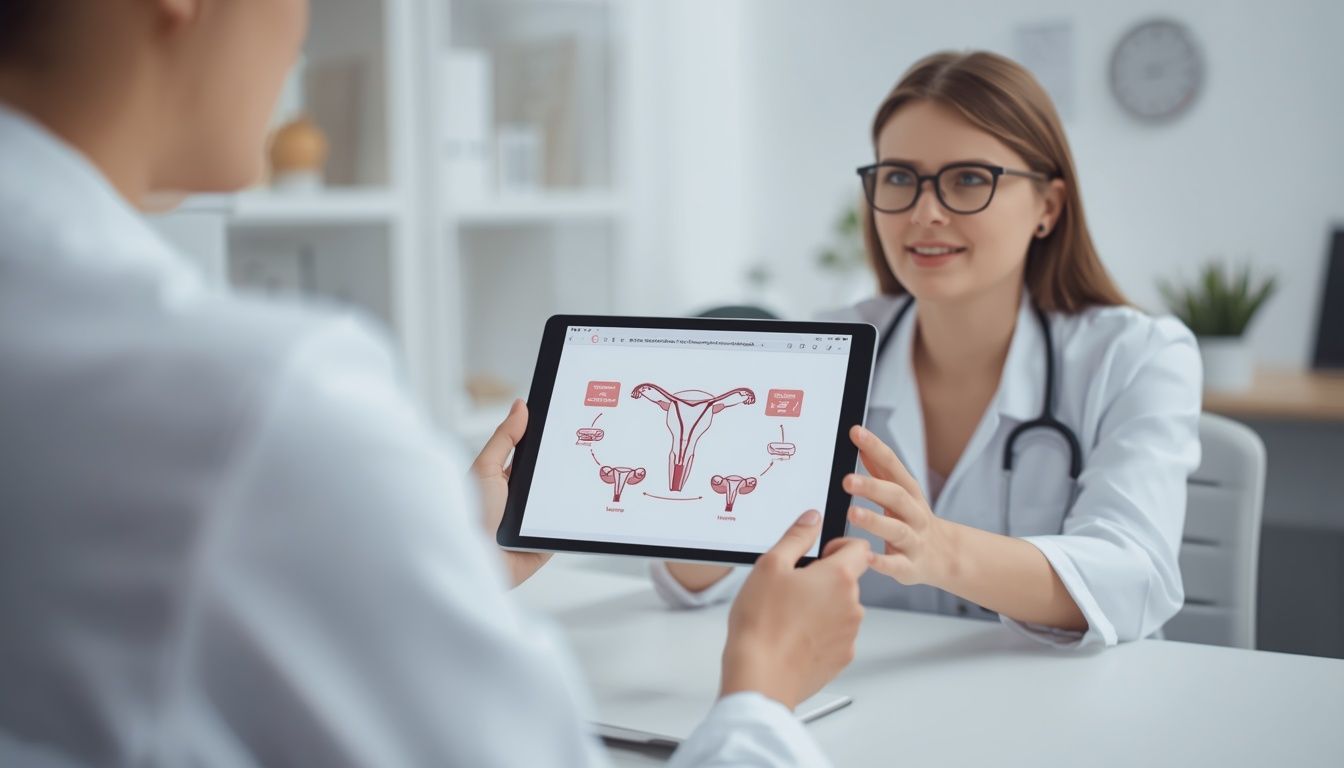
Understanding these differences can help you recognize where you are in your hormonal journey and have more informed conversations with your healthcare provider about managing symptoms and protecting your long-term health.
Common Perimenopause Symptoms
Perimenopause symptoms range from mild to disruptive. No two women will have the same experience, but the most commonly reported symptoms include:
- Irregular periods (heavier, lighter, or unpredictable timing)
- Hot flashes and sudden feelings of warmth
- Night sweats that disturb sleep
- Mood shifts, including irritability or low mood
- Difficulty falling or staying asleep
- Brain fog or trouble concentrating
- Vaginal dryness and discomfort
- Reduced interest in sex
- Unexplained weight changes, particularly around the abdomen
Some women notice only one or two of these symptoms. Others experience several at once. The intensity often varies depending on how dramatically hormone levels are fluctuating at any given time.
How Perimenopause Affects Women's Hormone Health
The hormonal changes during perimenopause extend well beyond reproductive function. Estrogen plays a role in bone density, cardiovascular health, mood regulation, and metabolism. As levels fluctuate and eventually decline, the effects can be felt throughout the body.
Women's hormone health during this stage is closely linked to long-term wellbeing. Declining estrogen contributes to reduced bone density, increasing the risk of osteoporosis over time. Cardiovascular risk also shifts after menopause, making this period an important time to focus on heart health.
Progesterone declines alongside estrogen, which can contribute to sleep difficulties and mood changes. Metabolic shifts during this stage may make weight management more challenging, even without changes in diet or activity level. Recognizing these connections helps women understand that their symptoms are not isolated but part of a broader hormonal picture.
Perimenopause Treatment Options
Perimenopause treatment is not one-size-fits-all. A combination of lifestyle adjustments and medical options can make a meaningful difference.
Lifestyle Approaches
- Regular exercise: Supports mood, sleep, bone density, and weight management
- Balanced nutrition: A diet rich in calcium, vitamin D, and whole foods supports hormonal balance
- Stress management: Practices like mindfulness, yoga, or therapy can ease mood-related symptoms
- Sleep hygiene: Consistent sleep schedules and a cool sleeping environment help manage night sweats
Medical Options
- Hormone therapy (HT): Replacing or supplementing estrogen and progesterone can effectively reduce many symptoms; a healthcare provider can help determine whether HT is appropriate based on individual health history
- Non-hormonal medications: Certain antidepressants and other medications can help manage hot flashes and mood symptoms
- Vaginal estrogen: A low-dose option applied locally to relieve vaginal dryness and discomfort without significant systemic absorption
- Personalized treatment plans: The most effective approach combines treatments tailored to your specific symptoms, health history, and preferences
Speaking with a qualified healthcare provider is the best way to determine which options make sense for you.
When Should You See Your Healthcare Provider?
Not every symptom requires urgent attention, but some situations call for a prompt conversation with your doctor.
Consider scheduling an appointment if you experience:
- Heavy or prolonged bleeding between periods
- Periods that occur more frequently than every 21 days
- Symptoms that significantly affect sleep, work, or daily life
- Sudden or severe mood changes
- Symptoms that feel unexpected given your age or health history
Many women delay seeking care because they assume discomfort is simply part of the process. While hormonal changes are natural, suffering through them unnecessarily is not. Most symptoms respond well to medical guidance, and earlier intervention often leads to better outcomes.
Supporting Your Health Through Every Stage
Routine wellness exams are one of the most valuable tools available during perimenopause and beyond. These appointments provide an opportunity to discuss symptoms openly, track changes over time, and monitor bone density and cardiovascular health before problems develop.
Preventive care during this stage sets the foundation for long-term wellbeing. The team at Infinity Medical Group specializes in women's hormone health and personalized menopause management, helping women navigate these changes with individualized care plans built around their specific needs and goals.
You Deserve to Feel Well at Every Age
Perimenopause and menopause are natural stages of life, but they do not have to feel overwhelming. Understanding what is happening in your body makes it easier to seek the right support and make informed decisions about your health.
If perimenopause symptoms are affecting your quality of life, you do not have to navigate this alone. The experienced team at Infinity Medical Group can help you find personalized solutions that support your health and wellbeing. Schedule an appointment today by visiting https://demosite.infinitymedicalgroup.org/.