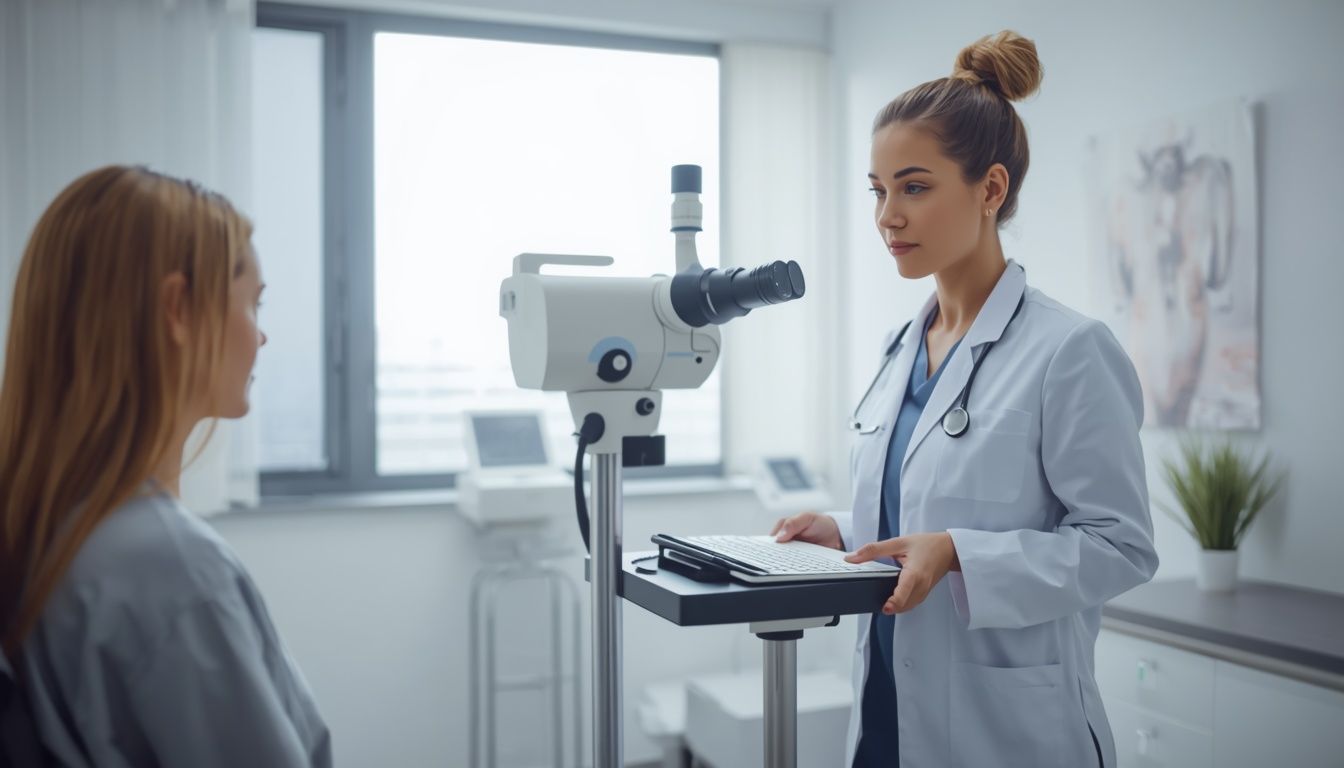
What Is a Pap Smear? Everything Women Need to Know About Cervical Cancer Screening
A Pap smear is a routine cervical cancer screening test that checks for abnormal cell changes on the cervix. Most women should begin screening at age 21 and repeat it every three to five years depending on age and health history. Early detection through regular screening significantly improves treatment outcomes.
Feeling a little nervous before a Pap smear is completely normal. Many women share that feeling, especially before their first one. But here is something reassuring to hold onto: a Pap smear is one of the most important routine screenings available to women, and it takes only a few minutes.
Cervical cancer screening through regular Pap smears helps detect abnormal cervical cell changes early, often long before they develop into cancer. That early detection is what makes this simple test so powerful. Understanding what to expect can go a long way toward easing any concerns you might have.
What Is a Pap Smear?
A Pap smear, also called a Pap test, is a screening procedure that collects a small sample of cells from the cervix, the lower part of the uterus that connects to the vagina. Those cells are then examined in a laboratory for any changes that could indicate a problem.
The purpose of the test is to find abnormal cervical cells before they have a chance to develop into cervical cancer. It is important to understand that a Pap smear does not diagnose cancer. It screens for cell changes that may need further evaluation. A Pap smear also does not test for all sexually transmitted infections, though it is sometimes combined with an HPV (human papillomavirus) test.
Why Cervical Cancer Screening Is So Important
Cervical cancer is one of the most preventable cancers when detected early. According to the American Cancer Society, when cervical cancer is found at an early, localized stage, the five-year survival rate is approximately 91 percent. Regular cervical cancer screening makes that level of early detection possible.
Precancerous cell changes on the cervix often cause no symptoms at all. That is why routine screening matters so much, even when a woman feels perfectly healthy. Catching abnormal cells early means treatment can begin sooner and is generally far more straightforward than treating advanced-stage cancer.
When Should Women Start Getting Pap Smears?
Current guidelines recommend that women begin cervical cancer screening at age 21, regardless of sexual history. Here is a general overview of recommended screening frequency:
- Ages 21 to 29: A Pap smear every three years
- Ages 30 to 65: A Pap smear every three years, an HPV test every five years, or both tests together every five years
- Over 65: Screening may be discontinued if previous results have been consistently normal, as determined by a healthcare provider
Women with certain risk factors, including a history of abnormal Pap results, a weakened immune system, or prior cervical cancer, may need more frequent screening. Your OB/GYN is the best resource for determining the schedule that fits your individual health history.
What Happens During a Pap Smear?
Knowing what to expect makes the experience much easier. Here is a simple walkthrough of what happens during the appointment:
- You will lie on an exam table with your feet placed in stirrups.
- Your provider will gently insert a speculum into the vagina to keep it open during the exam.
- A small, soft brush or spatula is used to collect a sample of cells from the surface of the cervix.
- The sample is sent to a laboratory for analysis.
The entire procedure typically takes less than five minutes. Some women feel mild pressure or brief discomfort, but significant pain is uncommon. If you feel anxious, letting your provider know can help them move at a pace that feels comfortable for you.
How to Prepare for Your Appointment
A little preparation can help ensure your results are as accurate as possible:
- Schedule your appointment when you are not menstruating, if possible
- Avoid sexual intercourse for 24 to 48 hours before the test
- Do not use vaginal creams, douches, or lubricants in the days before your visit
- Write down any symptoms or questions you want to discuss with your provider
These steps help ensure that the cell sample collected is clear and easy to analyze in the laboratory.
Understanding Your Pap Smear Results
Most Pap smear results come back normal, meaning no abnormal cells were found. If your result is abnormal, try not to panic. Abnormal does not automatically mean cancer.
Abnormal results are placed into categories that reflect the degree of cell change. Mild changes often resolve on their own. More significant changes may require follow-up testing, such as a colposcopy, which is a closer examination of the cervix using a magnifying instrument.
HPV-positive results simply mean that a strain of HPV was detected. Your provider will explain what that means for your care and whether any additional steps are needed.
Common Myths About Pap Smears
Several misconceptions cause women to delay or avoid this important screening. Here are a few worth setting straight:
- "I only need one if I have symptoms." Abnormal cervical cells rarely cause symptoms, which is exactly why screening matters.
- "I do not need one after menopause." Most guidelines recommend continuing screening until age 65.
- "It will be extremely painful." The test may cause mild discomfort, but it is brief and generally well tolerated.
- "I do not need screening if I have not had children." Cervical cancer screening is recommended based on age, not reproductive history.
Why Pap Smears Are an Essential Part of Women's Preventive Care
A Pap smear does not exist in isolation. It is one part of a broader approach to women's preventive care that also includes annual wellness exams, breast health screenings, HPV vaccination, reproductive health monitoring, and hormone management as women age.
When these screenings work together, they create a comprehensive picture of your health over time. Staying current with each one gives your healthcare team the information they need to catch potential issues early, when they are most treatable.
Protecting Your Health Starts with Routine Screening
Regular Pap smears remain one of the most effective tools available for preventing cervical cancer through early detection. Skipping or delaying screenings, even when you feel well, removes a key layer of protection.
Routine cervical cancer screening plays an important role in protecting your long-term health. If you are due for a Pap smear or have questions about your preventive care, schedule an appointment with the experienced team at Infinity Medical Group by visiting https://demosite.infinitymedicalgroup.org/.