Pelvic Organ Prolapse: Symptoms and Non-Surgical Options
Pelvic health issues are incredibly common but often overlooked in everyday conversations. Many people feel uncomfortable discussing these symptoms with friends or doctors. This silence makes you feel isolated when dealing with unexpected bodily changes. One condition that can significantly affect your daily life is pelvic organ prolapse. It causes physical discomfort and emotional distress. You do not always need an operation to find relief. Effective non-surgical treatments are available to help manage symptoms and improve your overall well-being. Understanding your body is the first crucial step toward taking back your life and feeling like yourself again.
What Is Pelvic Organ Prolapse
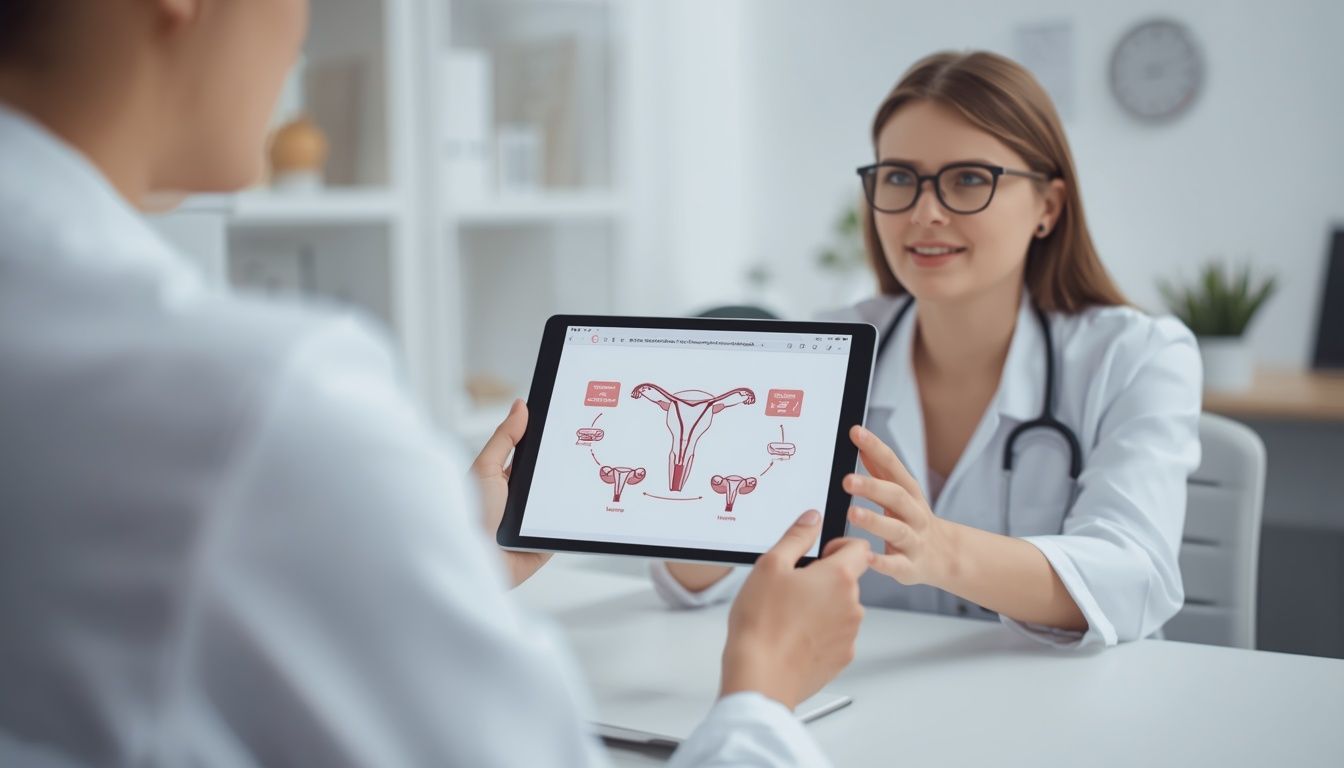
To understand pelvic organ prolapse, know a little about how the body is built. Your pelvic organs include your bladder, uterus, and rectum. A hammock of muscles and tissues called the pelvic floor supports these organs. Sometimes, this support system becomes stretched or weakened. When that happens, organs can drop from their normal position. They might press against the walls of the vagina. This shifting is what doctors call a prolapse. Knowing the basics helps demystify the experience and guides you toward the right pelvic organ prolapse treatment for your specific situation.
Common Symptoms to Watch For
The signs of this condition can be subtle at first. You might notice them more after standing for long periods. Here are common symptoms to watch for:
- Feeling a heavy sensation or pressure in the pelvic area
- Noticing a bulging sensation or seeing tissue protruding
- Dealing with urinary issues such as unexpected leakage or a sudden urgency to go
- Having difficulty with normal bowel movements
- Experiencing an aching lower back discomfort that worsens over time
If these sound familiar, medical support is available. Paying attention to your body can help you and your doctor make informed decisions about your health.
What Causes Pelvic Organ Prolapse
Several factors can contribute to the weakening of supportive muscles in your pelvis. Pregnancy and childbirth are very common reasons. The physical demands of carrying a baby and going through labor place stress on the body. Aging and menopause also play a significant role. As estrogen levels drop, tissues naturally lose some elasticity and strength. A generally weak pelvic floor can also be an underlying cause. Furthermore, chronic strain puts extra pressure on the area. This strain comes from frequent heavy lifting, chronic coughing, or long term constipation.
How It Affects Daily Life
Living with these symptoms can change the way you go about your day. The physical impact on movement and comfort is often the first thing women notice. You might avoid lifting groceries or standing for too long because of the heavy feeling. The emotional effects are just as important to acknowledge. Dealing with bladder control issues or physical bulging can cause embarrassment or anxiety, especially away from home. These worries lead to limitations in physical activity. You might stop exercising because you fear making the symptoms worse.
Non-Surgical Treatment Options
Surgery is not your only choice. Many women find success with conservative approaches. Exploring non-surgical options is an excellent way to start managing your symptoms.
- Pelvic floor therapy: Working with a physical therapist helps you strengthen the muscles that support your organs.
- Lifestyle changes: Simple adjustments like weight management reduce daily pressure on your body.
- Pessary devices: A doctor can fit you with a small, removable device that sits inside the vagina to provide physical support.
- Bladder training techniques: If you are struggling with urinary incontinence treatment, scheduled bathroom visits offer significant relief.
These methods restore function without operation risks.
Benefits of Choosing Non-Surgical Care
Opting for a conservative approach offers many distinct advantages. First, there is a much lower risk compared to surgery. You avoid the complications associated with anesthesia and incisions. Second, you can expect a significantly faster recovery. You do not need to take weeks off work while you heal. These methods focus on long term muscle strength and body awareness rather than just a quick fix. Finally, conservative care provides a personalized treatment approach. Your care plan is tailored precisely to your lifestyle and the specific symptoms you are experiencing right now.
When to See a Specialist
It is normal to wonder if your symptoms warrant a doctor visit. You should consider reaching out to a pelvic floor specialist if you experience any of the following:
- Your symptoms persist for weeks or seem to be getting worse
- You have difficulty managing daily activities like walking or working
- You are feeling increasing physical discomfort or pain in the pelvic region
- You have ongoing concerns about your bladder or bowel function
Getting an expert opinion can bring you peace of mind and put you on the path to healing.
What to Expect from Treatment
Taking the first step to get help is often the hardest part. When you visit a clinic, the process is designed to be gentle and respectful. Your journey begins with a private initial consultation and assessment to understand your unique concerns. From there, your healthcare provider will create a personalized treatment plan that fits your life. You will also receive ongoing monitoring and adjustments. As your body responds to the therapies, your care team will tweak the plan to ensure you continue to see improvements and feel fully supported.
Conclusion
Pelvic organ prolapse is a condition that affects countless women, yet it remains a topic shrouded in silence. You do not have to live with the heavy pressure, the anxiety of leakage, or the disruption to your routine. By understanding the causes and recognizing the symptoms early, you can take control of your health. Non-surgical options offer safe, effective, and empowering ways to regain your strength and comfort. This condition is highly manageable. Seeking early care leads to better outcomes and a faster return to the activities you love. Remember, you are not alone in this journey. Professional help is widely available.
Make Your Health a Priority Today
You deserve to feel comfortable and confident in your body. If you are experiencing symptoms or want to explore non-surgical solutions, the compassionate team at Infinity Medical Group is here to help. Schedule a consultation to learn more about treatment options today by visiting https://demosite.infinitymedicalgroup.org/.