Heavy Menstrual Bleeding: When to See an OB/GYN
Heavy menstrual bleeding affects many women and can signal an underlying condition such as fibroids, hormonal imbalance, or adenomyosis. Soaking through a pad or tampon every hour, passing large clots, or bleeding for more than seven days are key signs that a medical evaluation is needed.
Heavy menstrual bleeding is one of the most common concerns women bring to their OB/GYN. Many women assume that a very heavy period is simply part of life, something to push through each month. But when bleeding is consistently heavy, prolonged, or interfering with your daily routine, it may be a signal worth paying attention to. Understanding what is typical versus what deserves a closer look can make a real difference for your health and quality of life.
What Is Heavy Menstrual Bleeding?
Heavy menstrual bleeding, sometimes called abnormal uterine bleeding, refers to menstrual blood loss that is heavier or longer than what is considered typical. It goes beyond occasional heavy days and becomes a pattern that affects how you feel and function.
Signs that your period may be abnormally heavy include:
- Soaking through one or more pads or tampons every hour for several consecutive hours
- Needing to use double protection, such as a tampon and a pad together
- Passing blood clots larger than a quarter
- Bleeding that lasts longer than seven days
- Waking during the night specifically to change menstrual products
- Avoiding normal activities, including work, exercise, or social plans, because of your flow
If any of these sound familiar, you are not alone, and you do not have to simply accept it as your normal.
Common Causes of Heavy Menstrual Bleeding
There are many reasons why periods can become heavier than usual. Some causes are structural, meaning something physical in the uterus is contributing to the bleeding. Others are related to hormones, overall health, or medications.
Common causes include:
- Uterine fibroids: Noncancerous growths in or on the uterus that can increase bleeding
- Polyps: Small growths on the uterine lining or cervix
- Hormonal imbalances: When estrogen and progesterone are out of balance, the uterine lining can build up and shed more heavily
- Adenomyosis: A condition where the uterine lining grows into the muscle wall of the uterus
- Endometriosis: Uterine-like tissue growing outside the uterus
- Polycystic ovary syndrome (PCOS): A hormonal condition that can disrupt regular ovulation and periods
- Thyroid disorders: Both an underactive and overactive thyroid can affect menstrual flow
- Bleeding disorders: Conditions that affect how blood clots
- Certain medications: Including blood thinners and some anti-inflammatory drugs
- Perimenopause: Hormonal changes in the years before menopause can cause irregular and heavier periods
Because the causes vary so widely, a proper evaluation is the only way to determine what is driving your symptoms.
Symptoms That Should Not Be Ignored
Heavy bleeding on its own is concerning, but certain symptoms alongside heavy periods suggest that medical evaluation should happen sooner rather than later.
Seek care promptly if you are experiencing:
- Severe fatigue that does not improve with rest
- Dizziness or lightheadedness, which can indicate blood loss leading to anemia
- Shortness of breath during everyday activities
- Pelvic pain or pressure that is new or worsening
- Bleeding between periods at times unrelated to your cycle
- Bleeding after menopause, which is never considered normal
- Frequent or recurring anemia that requires iron supplements or transfusions
These symptoms can point to conditions that need timely diagnosis and treatment. Early attention to them protects your health and prevents complications from developing.
How OB/GYN Providers Diagnose the Cause of Heavy Menstrual Bleeding
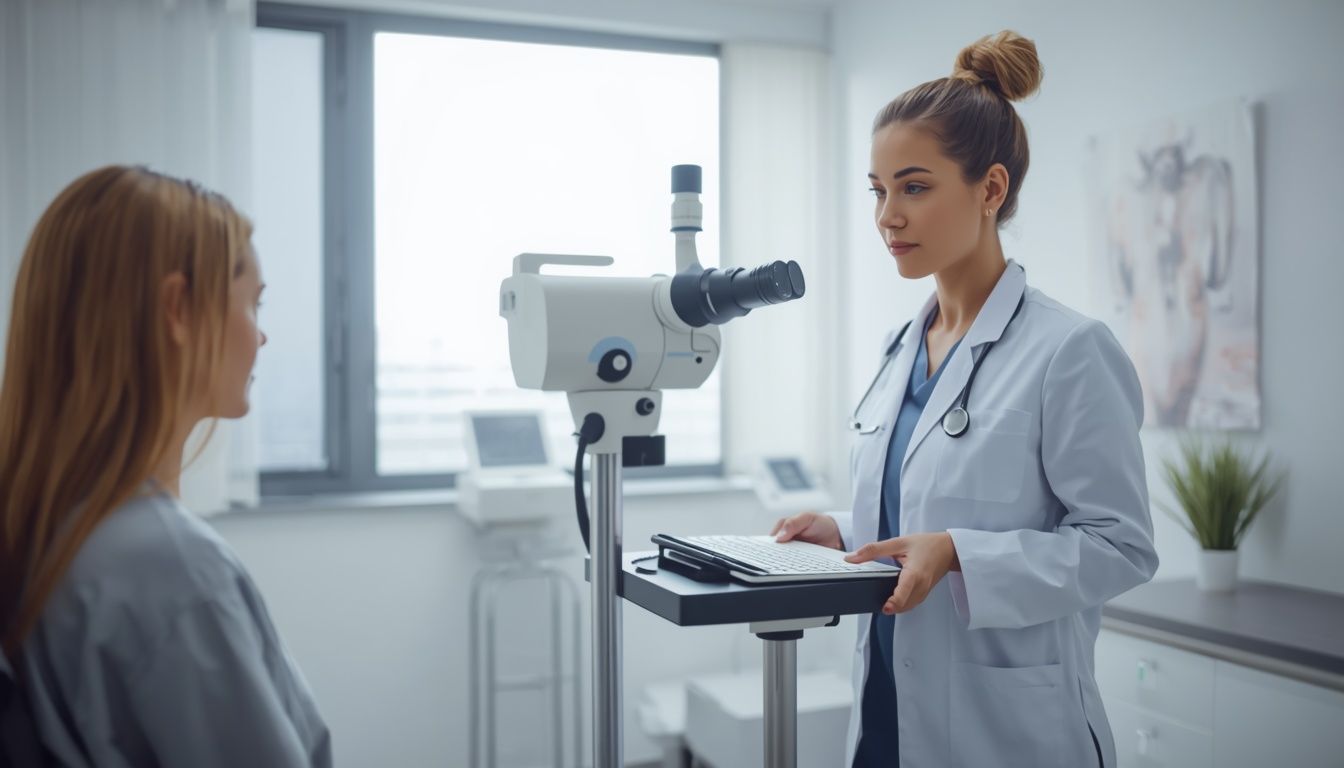
Finding the cause of abnormal uterine bleeding starts with a conversation. Your provider will ask about your menstrual history, overall health, medications, and any other symptoms you have noticed. From there, an evaluation may include:
- A physical and pelvic exam
- Blood tests to check for anemia, thyroid function, hormone levels, and clotting disorders
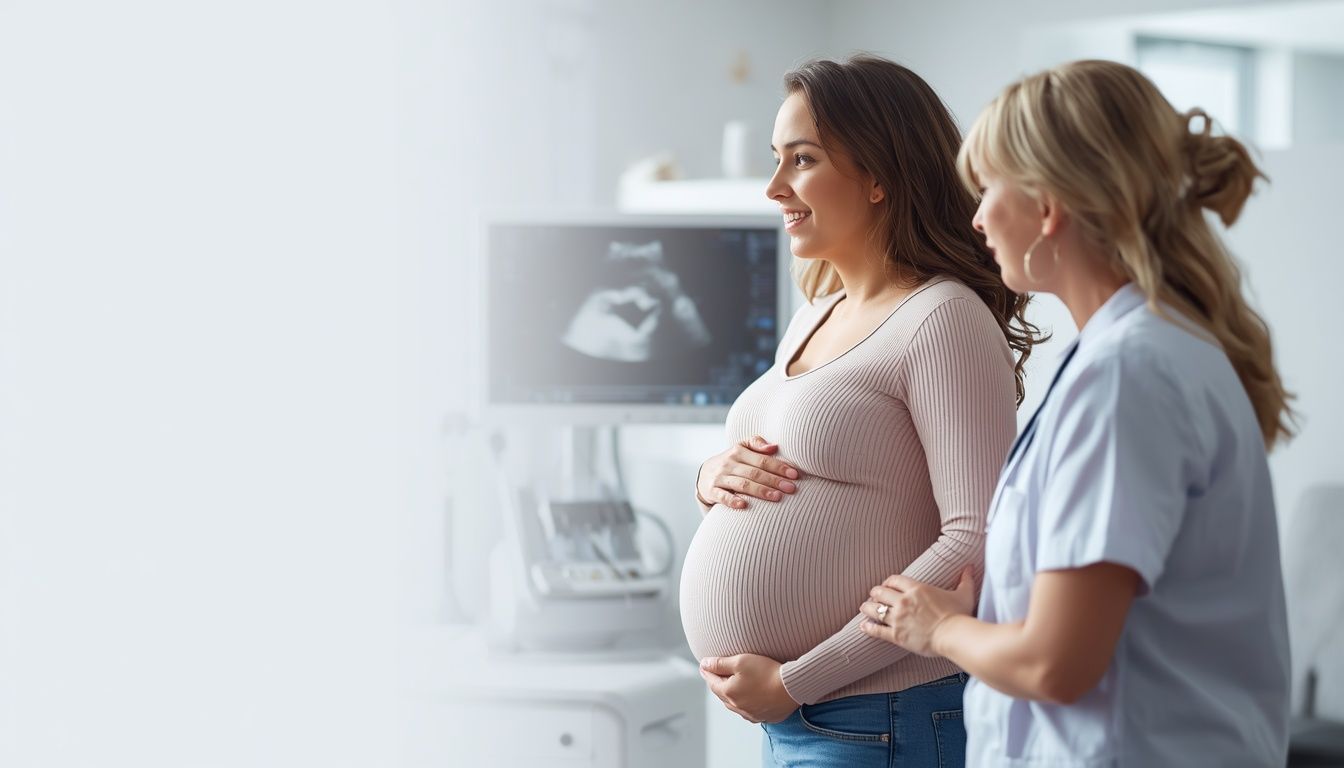
- Pelvic ultrasound to examine the uterus, ovaries, and surrounding structures
- Endometrial biopsy to evaluate the uterine lining when appropriate
- Additional procedures if the initial results call for further investigation
Identifying the underlying cause is the essential first step. Treatment works best when it is targeted and personalized to what is actually causing the bleeding.
Treatment Options for Heavy Menstrual Bleeding
Treatment depends on the cause, your age, your overall health, and whether you plan to have children in the future. There is no single solution that works for everyone, which is why individualized care matters.
Options may include:
- Hormonal birth control, including pills, patches, or injections, to regulate and reduce bleeding
- Hormonal IUDs, which can significantly lighten periods over time
- Prescription medications to manage bleeding and reduce flow
- Iron supplementation to address anemia caused by blood loss
- Minimally invasive procedures to address specific causes such as polyps or fibroids
- Endometrial ablation, a procedure that reduces or eliminates the uterine lining
- Fibroid-specific treatments, including medications or procedural options
- Surgery in cases where other treatments have not been effective or the cause requires it
Your provider will work with you to find the approach that fits your needs, your body, and your goals.
When to Schedule an Appointment with Your OB/GYN
It is time to make an appointment if you are experiencing:
- Periods so heavy they interfere with your daily life
- Bleeding lasting more than seven days
- Spotting or bleeding between periods
- Any bleeding after menopause
- Symptoms of anemia such as fatigue, dizziness, or weakness
- Ongoing concerns about your menstrual health that have gone unanswered
Seeking care early gives your provider the best opportunity to identify what is happening and address it before it becomes a larger problem.
Your Health Deserves Attention
Heavy menstrual bleeding is not something you have to normalize or manage on your own. When bleeding is affecting your energy, your daily routine, or your peace of mind, that is a legitimate reason to reach out to a healthcare provider.
At Women's Care Specialists d/b/a Infinity Medical Group, compassionate and comprehensive women's healthcare is at the center of everything we do. Our team is experienced in evaluating and treating heavy and abnormal uterine bleeding across all life stages. If you are concerned about your menstrual health, we encourage you to schedule an appointment and get the answers you deserve.
Visit us at https://demosite.infinitymedicalgroup.org/ to learn more about our services or to request an appointment.