Ovarian Cyst Symptoms, Causes & When to Seek Care
Ovarian cysts are one of the most common gynecologic findings in women of all ages. For many women, hearing that they have an ovarian cyst can feel alarming. The good news is that most cysts are benign, cause no lasting harm, and resolve on their own without any treatment. That said, understanding ovarian cyst symptoms, how cysts develop, and when to seek care can make a meaningful difference in your long-term women's health.
This guide walks you through everything you need to know, from what ovarian cysts actually are to the treatment options available today.
What Is an Ovarian Cyst?
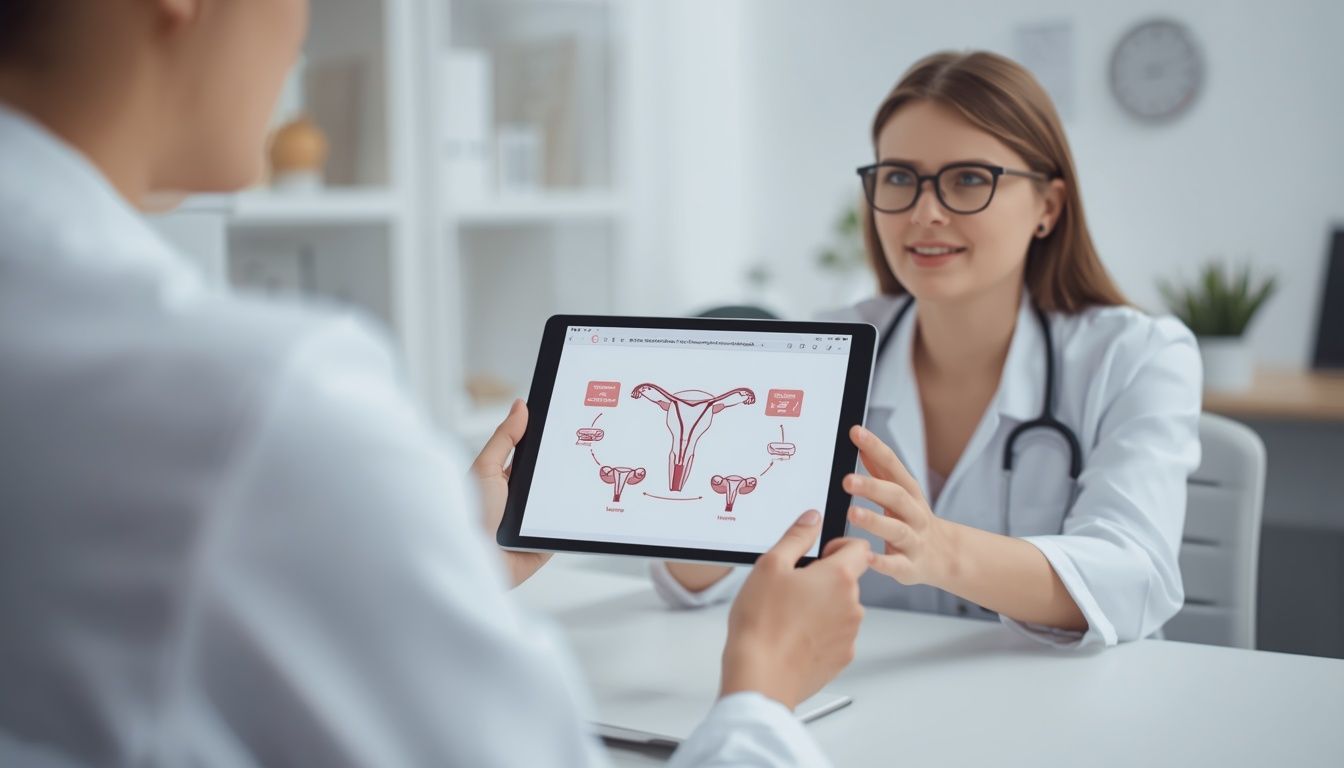
An ovarian cyst is a fluid-filled sac that forms on or inside an ovary. Ovaries are small, almond-shaped organs that produce eggs and hormones like estrogen and progesterone. Cysts can vary widely in size, from as small as a pea to several centimeters across.
Most ovarian cysts form as a natural part of the menstrual cycle and are called functional cysts. These typically disappear within a few weeks or months without any intervention. Others are less common and may require monitoring or treatment depending on their type, size, and how they affect your body.
The vast majority of ovarian cysts are non-cancerous. While the word "cyst" can sound concerning, a diagnosis does not automatically mean something is seriously wrong.
Common Causes of Ovarian Cysts
Ovarian cysts develop for a variety of reasons. Understanding the cause often helps guide next steps.
Functional cysts are the most common type. They form during normal ovulation when a follicle either fails to release an egg or does not dissolve after releasing one. These cysts usually resolve on their own.
Hormonal changes can disrupt the natural cycle and lead to cyst formation. This is why cysts are particularly common during the reproductive years.
Pregnancy can also trigger cyst development. A corpus luteum cyst sometimes forms early in pregnancy to support hormone production before the placenta takes over.
Endometriosis causes uterine tissue to grow outside the uterus, sometimes forming cysts on the ovaries called endometriomas. These can be painful and may require treatment.
Polycystic ovary syndrome (PCOS) causes the ovaries to develop many small follicles, which can interfere with ovulation and hormone balance.
Previous ovarian cysts slightly increase the likelihood of developing new ones. Certain fertility medications can also stimulate cyst formation as a side effect.
Recognizing Ovarian Cyst Symptoms
Many women with ovarian cysts never experience any noticeable symptoms. Cysts are frequently discovered during routine pelvic exams or pelvic ultrasounds ordered for unrelated reasons.
When ovarian cyst symptoms do occur, they may include:
- Pelvic pain or a dull ache on one side of the lower abdomen
- A feeling of fullness, pressure, or bloating in the abdomen
- Pain during sexual intercourse
- Irregular or painful menstrual periods
- Frequent urination if the cyst is pressing on the bladder
- Discomfort when bending or moving in certain positions
Symptoms often depend on the size of the cyst and whether it has shifted position or caused any complications. If you notice any of these changes, it is worth mentioning them to your OB/GYN provider.
When Should You Seek Immediate Medical Care?
While most ovarian cysts are not dangerous, certain symptoms require prompt evaluation. Seek care right away if you experience:
- Sudden, severe pelvic pain that comes on quickly
- Pain accompanied by fever, nausea, or vomiting
- Dizziness or fainting
- Rapid or shallow breathing
- Unusually heavy vaginal bleeding
These symptoms can indicate a ruptured cyst or ovarian torsion, a condition in which the ovary twists around the tissues supporting it. Both situations require immediate medical attention. Do not wait to see if the pain improves on its own.
How OB/GYN Providers Diagnose Ovarian Cysts
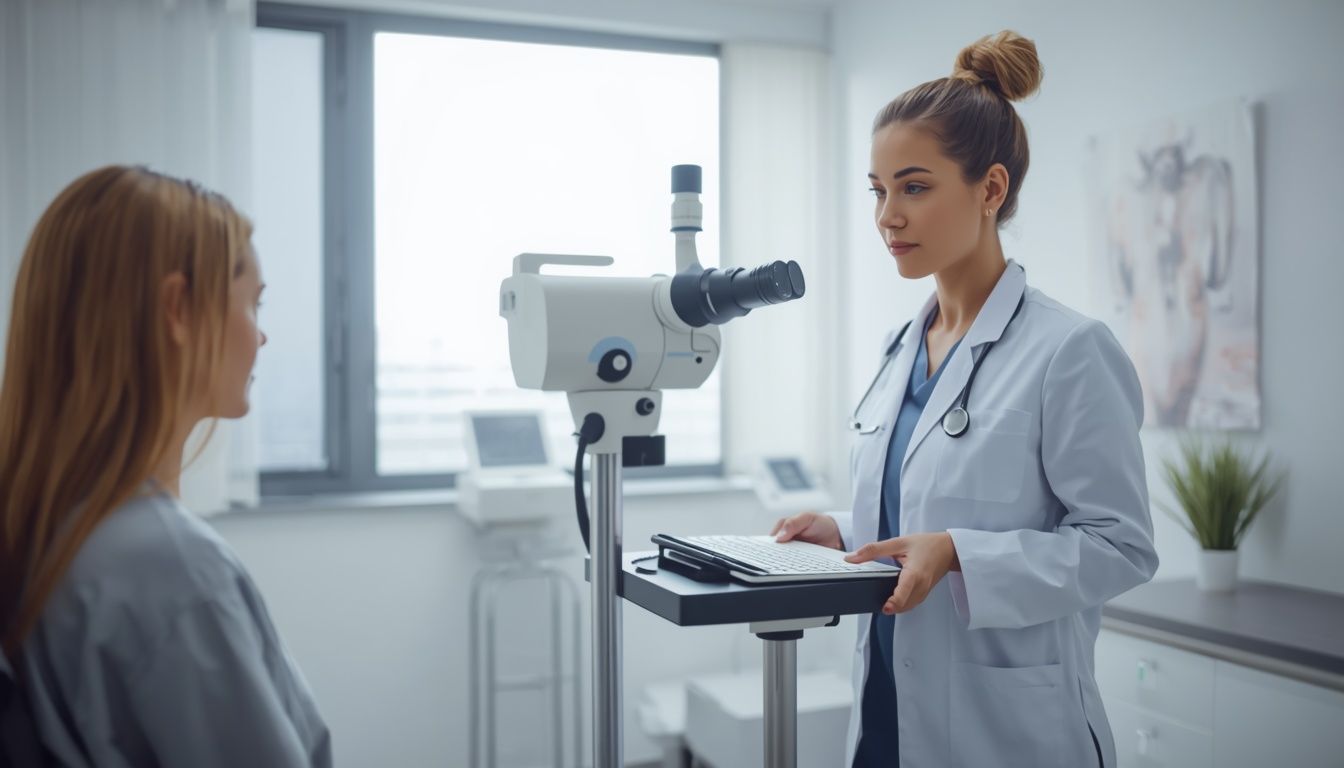
Diagnosing an ovarian cyst is usually a straightforward process. Your OB/GYN provider will begin by reviewing your medical history and discussing any symptoms you have noticed. A pelvic examination helps assess the size and location of the ovaries.
A pelvic ultrasound is the most common imaging tool used to confirm the presence of a cyst. Ultrasound provides clear images of the ovaries and helps determine the size, shape, and composition of the cyst.
Depending on your situation, your provider may also order a pregnancy test or blood work. In some cases, follow-up imaging over several weeks is recommended to monitor whether the cyst changes or resolves naturally.
Most diagnostic evaluations are quick, non-invasive, and provide the information needed to determine the right course of care.
Ovarian Cyst Treatment Options
Ovarian cyst treatment is not one-size-fits-all. The right approach depends on the type of cyst, its size, whether you are experiencing symptoms, your age, and whether you are pre- or postmenopausal.
For small, asymptomatic functional cysts, watchful waiting is often the first recommendation. Your provider may schedule a follow-up ultrasound in six to eight weeks to confirm the cyst has resolved.
When symptoms are present or a cyst persists, options may include:
Hormonal birth control to help regulate the menstrual cycle and reduce the likelihood of new cysts forming.
Pain management using over-the-counter medications to relieve mild discomfort.
Minimally invasive surgery, such as laparoscopic cyst removal, for cysts that are large, cause significant symptoms, or appear abnormal on imaging. Laparoscopy involves small incisions and typically allows for a faster recovery than traditional surgery.
Treatment of underlying conditions such as endometriosis or PCOS, which can contribute to recurrent cysts and require a more comprehensive approach.
Surgery is not always necessary, and many cysts resolve without any intervention at all.
Can Ovarian Cysts Be Prevented?
Not all ovarian cysts can be prevented, but certain habits support better gynecologic health overall. Attending regular pelvic exams gives your provider the opportunity to detect cysts early, before they cause problems. Tracking your menstrual cycle and reporting unusual symptoms promptly allows for timely evaluation. If you have a hormone-related condition like PCOS or endometriosis, following your treatment plan consistently can help reduce the frequency of cyst formation.
Prioritizing your overall women's health through regular checkups, open communication with your provider, and attention to your body's signals is the most reliable form of ongoing care.
Ovarian Cysts Are Manageable With the Right Care
Most ovarian cysts are harmless and resolve without treatment, but that does not mean your symptoms should be ignored. Pelvic pain, unusual bloating, or changes in your cycle are always worth discussing with a qualified OB/GYN provider.
At Women's Care Specialists d/b/a Infinity Medical Group, our team provides comprehensive, compassionate care for women at every stage of life. Whether you are experiencing pelvic discomfort, have recently been diagnosed with a cyst, or simply want answers, we are here to help you understand your options and feel confident in your care.
Schedule an appointment today at https://demosite.infinitymedicalgroup.org/