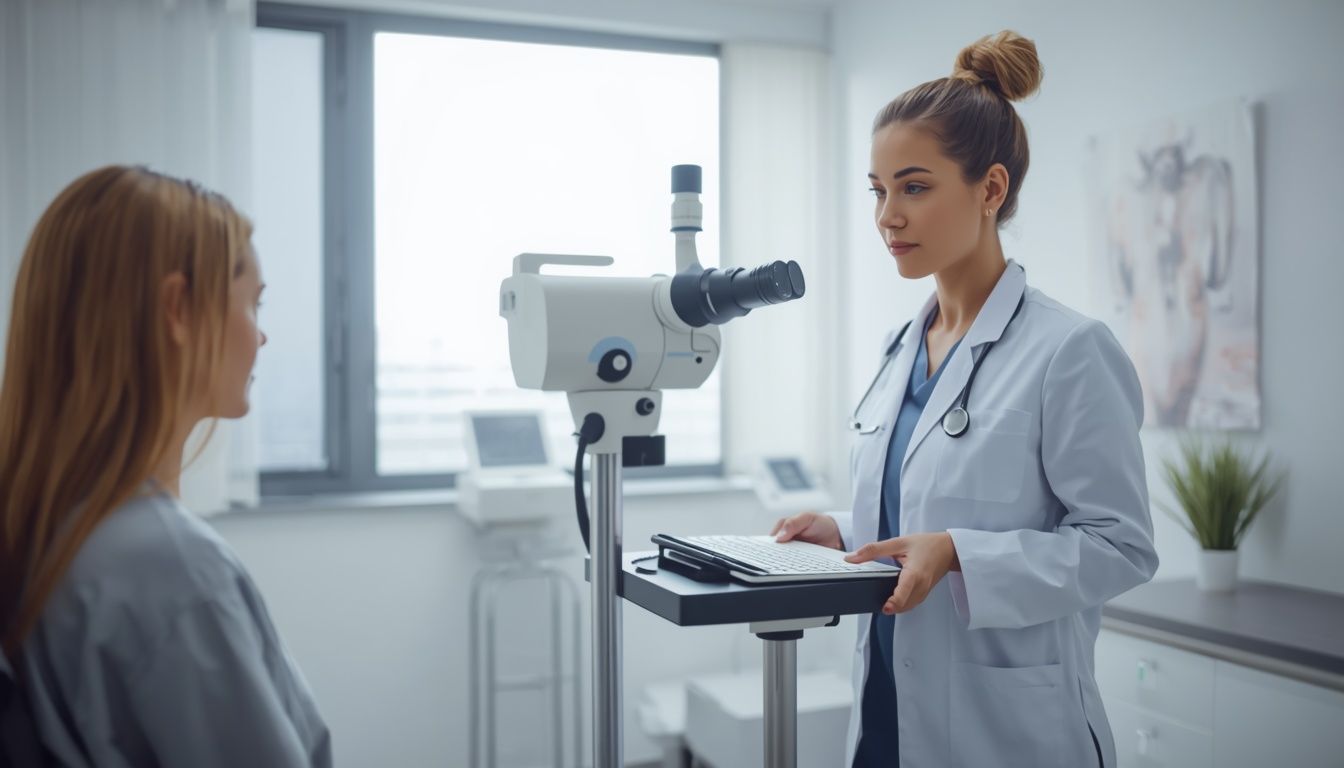
STD Testing for Women: What to Expect at Your Appointment
Scheduling an STD test can feel intimidating, especially if it's your first time or you're unsure what the appointment will involve. Many women feel nervous, embarrassed, or anxious before this kind of visit, and that's completely normal. Understanding what actually happens during testing can ease a lot of that uncertainty.
This guide walks through what a typical appointment may include, from preparation to results, so you can feel more confident and informed before you go.
Why Women May Need STD Testing
Sexually transmitted infections (STIs), sometimes still referred to as sexually transmitted diseases (STDs), don't always cause noticeable symptoms. A person can carry certain infections without feeling sick at all. That's one reason healthcare providers may recommend testing even when nothing seems wrong.
Testing may be suggested for several reasons, including:
- Noticeable symptoms, such as unusual discharge or discomfort
- A new sexual partner or multiple partners
- A partner's recent STI diagnosis
- Pregnancy or plans to become pregnant
- Routine preventive care as part of a well-woman visit
- A healthcare provider's clinical judgment based on your history
- Possible exposure to an infection
Needing or choosing to get tested isn't a reflection of anyone's character. It's simply a responsible part of managing your health, much like any other screening.
How to Prepare for Your Appointment
A little preparation can help your visit go smoothly and give your provider the information needed to recommend appropriate testing. Before your appointment, consider:
- Noting any symptoms you've experienced and when they started
- Listing current medications, supplements, and allergies
- Being ready to talk openly about your sexual history
- Bringing your insurance card and any relevant medical records
- Writing down questions you want to ask
Being honest with your provider, even about details that feel uncomfortable, helps them determine which tests make sense for your situation. There's no need to feel judged. Clinicians ask these questions to provide better care, not to pass judgment.
What Happens During the Appointment?
What Questions Will the Provider Ask About Your Health?
Your provider will likely start by asking about your symptoms, sexual history, previous STI testing, current medications, and whether you could be pregnant. These questions aren't just formalities. They help guide which tests, if any, are most appropriate for you.
Is a Physical Exam Always Required for STD Testing?
Not necessarily. Whether a physical exam is part of your visit depends on your symptoms, medical history, and the specific tests being considered. Some testing appointments involve a pelvic exam, while others may not require one at all. Your provider will explain what's appropriate based on your individual circumstances.
What Types of Samples Might Be Collected?
Depending on the tests ordered, sample collection can include:
- A urine sample
- A blood draw
- A vaginal swab
- A cervical sample, if a pelvic exam is performed
- Other site-specific swabs, when medically indicated
Not every patient needs every type of sample. The specific combination depends on your symptoms, risk factors, and the infections being screened for.
How Long Does Testing Take?
The appointment itself is often relatively quick, though the exact time can vary depending on how many tests are being performed and whether an exam is needed. Afterward, samples are sent to a laboratory for processing.
Turnaround times differ depending on the type of test. Some results may be available within a few days, while others can take longer. Your provider can give you a more specific timeframe based on the tests you receive, but it's best not to assume same-day or next-day results unless your provider tells you otherwise.
What Happens After Testing?
Once your results are ready, your provider will typically go over:
- When and how results will be shared with you
- Whether any follow-up testing is needed
- Treatment options, if an infection is identified
- Whether a sexual partner should also be evaluated or treated
If a result comes back positive, try not to panic. Many STIs are manageable, and your provider can walk you through what the diagnosis means and what the appropriate next steps are. Treatment approaches vary depending on the specific infection involved, so individualized guidance from your provider matters more than general assumptions.
It's also worth knowing that a negative result doesn't rule out every possible infection, since no single test screens for everything. Your provider can help you understand what your specific tests did and didn't cover.
When Should You Talk to a Healthcare Provider?
Certain symptoms are worth discussing with a provider, even if you're unsure whether they're related to an STI. These include:
- Unusual vaginal discharge
- Burning or pain during urination
- Genital sores or lesions
- Pelvic discomfort
- Unusual bleeding
- Pain during sex
These symptoms can have many possible causes, not just sexually transmitted infections, so it's best to let a provider evaluate them rather than guessing. And because some infections don't cause any symptoms at all, feeling fine isn't necessarily a reason to skip testing if you have risk factors worth discussing with your provider.
Confidentiality and Comfort
Feeling comfortable with your healthcare provider makes a real difference, especially when discussing sensitive topics like sexual health. At Infinity Medical Group, patients are treated with a focus on privacy and individualized care, allowing space for honest conversations about your health and concerns. Choosing a provider you trust can make it easier to ask questions and get the care that fits your specific needs.
Taking the Next Step
Understanding what happens during an STD testing appointment can take a lot of the guesswork and anxiety out of the process. Testing is simply one part of taking care of your overall health, alongside routine gynecological care and other preventive services.
If you have questions about STD testing or want to schedule a visit, contact Infinity Medical Group or call 1-877-241-4004 to get started.